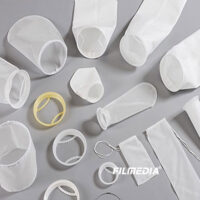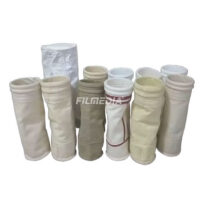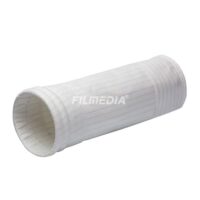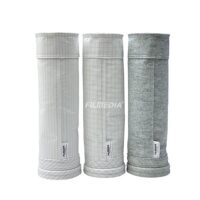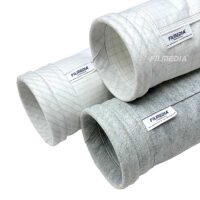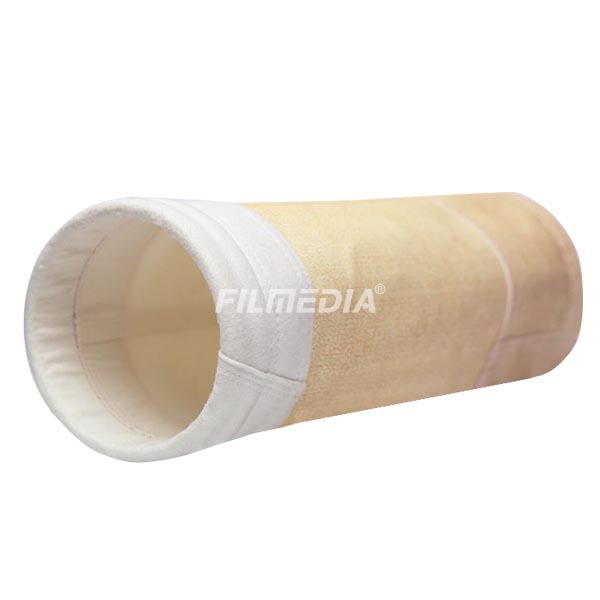
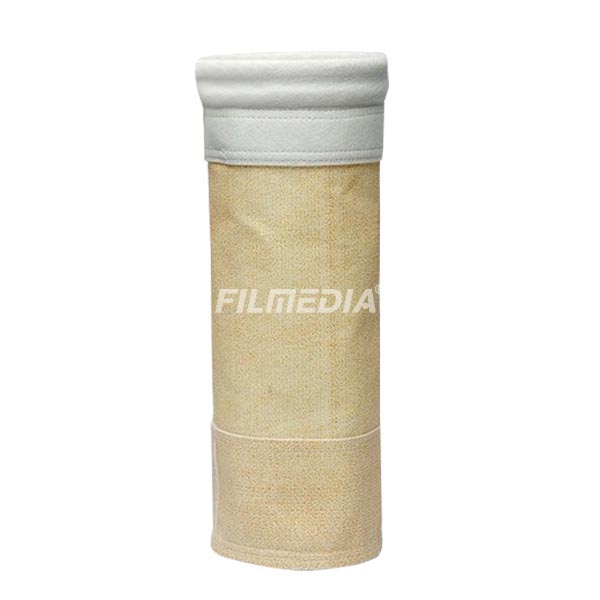
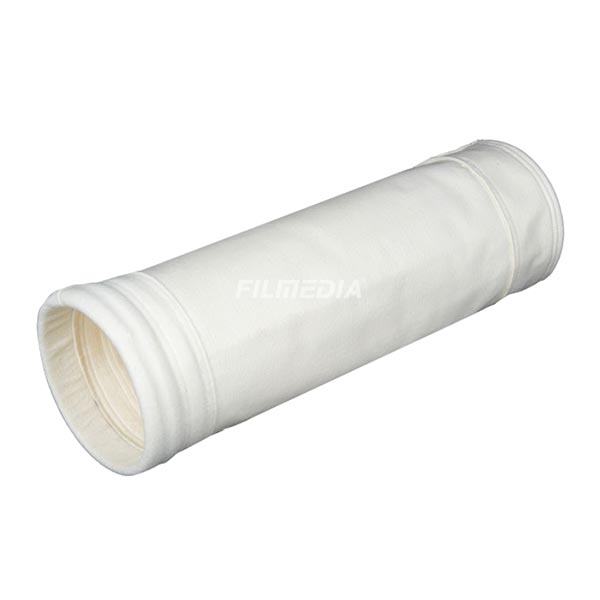
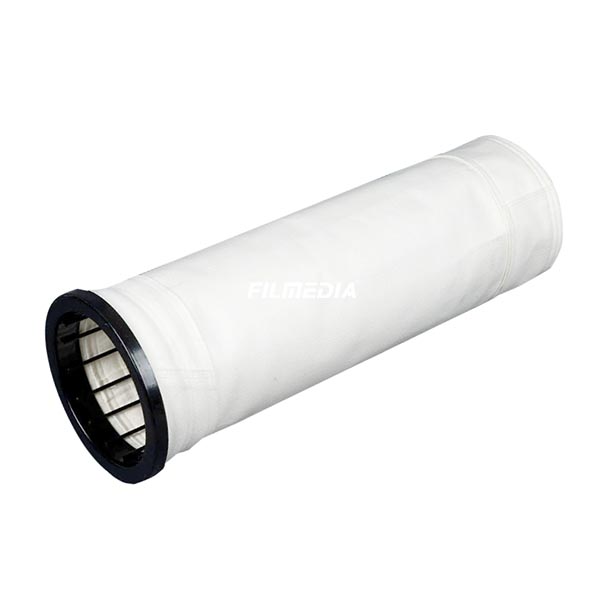
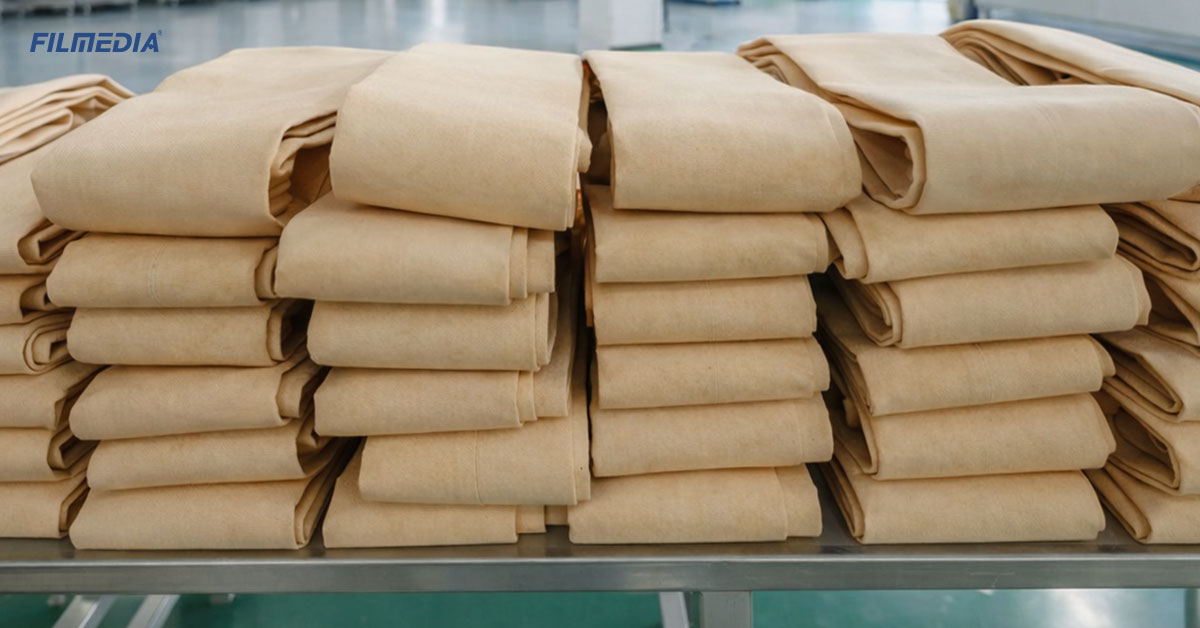
Acrylic needle felt filter bag is a medium-temperature dust collector with excellent performance. In the field of industrial dust removal, there is a specific “middle zone” – that is, an environment with temperatures between 120°C and 160°C, often accompanied by mild acid corrosion – under these conditions, polyester materials are not suitable due to insufficient heat resistance, and PPS materials are too expensive. It is the dust filter bag made of acrylic needle felt that accurately fills this critical market gap.
Description
How Do Homopolymers Differ From Regular Polymers
The molecular weight distribution of traditional polymers is relatively wide, and the particles and structures also need to be controlled through a variety of technologies, making it difficult to achieve uniformity. Homopolymers, on the other hand, are polymer materials with high purity and consistency achieved by controlling factors such as the polymerization reaction temperature, ratio, monomer addition, type and amount of initiators, as well as highly precise control of parameters such as molecular weight and morphology.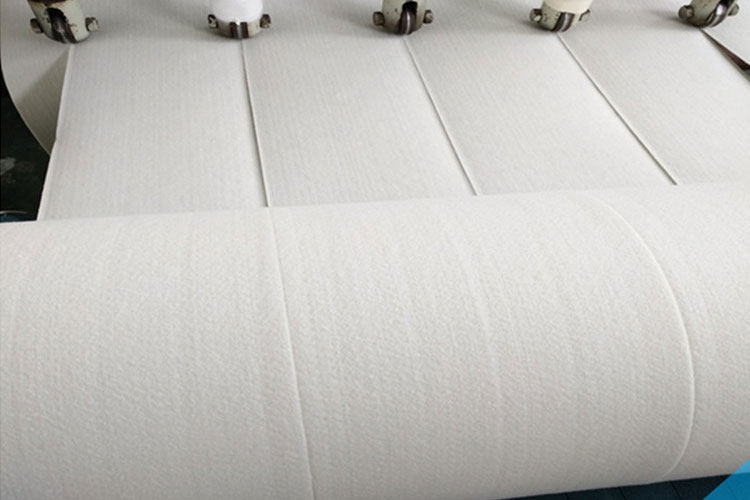
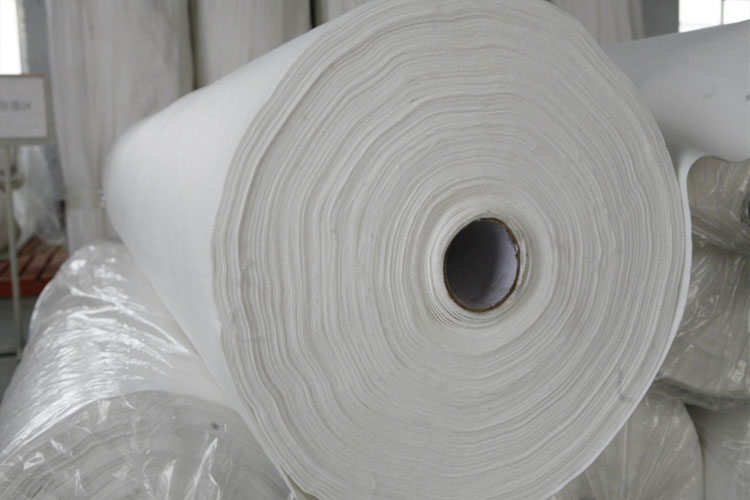
Product Features
- Chemical Resistance
- Temperature Tolerance
- Durability
- Low Energy Consumption
Physical Properties and Chemical Properties (500gsm)
| Weight | 300-600g/m2 ± 10% | |
| Diameter | No limited | |
| Finish treatment | Singeing, Calendering, Heat setting | |
| Air permeability | l / m2 / s @200pa | 200 ~ 350 |
| Tensile strength (N/5cm) | Warp | 800 |
| Weft | 850 | |
| Tensile elongation (%) | Warp | 20 |
| Weft | 25 | |
| Temperature (℃/℉) | ||
| Continuos temperature | C° | 120/248 |
| Instant temperature | C° | 140/284 |
| Anti-acid | Excellent | |
| Anti-alkali | Excellent | |
| Anti-abrasion | Good | |
| Hydrolysis stability | Excellent | |
Post-treatment
Depending on specific application requirements, acrylic needle-punched felt can undergo various functional treatments.- Heat Setting
- Calendering
- Singeing
- PTFE Membrane Lamination
- Water & Oil Repellent Treatment
- Anti-Static Treatment
Filter Cages
Furthermore, we provide complementary support components—including precision-engineered filter cages—to ensure the comprehensive compatibility, operational stability, and extended service life of the entire filtration system.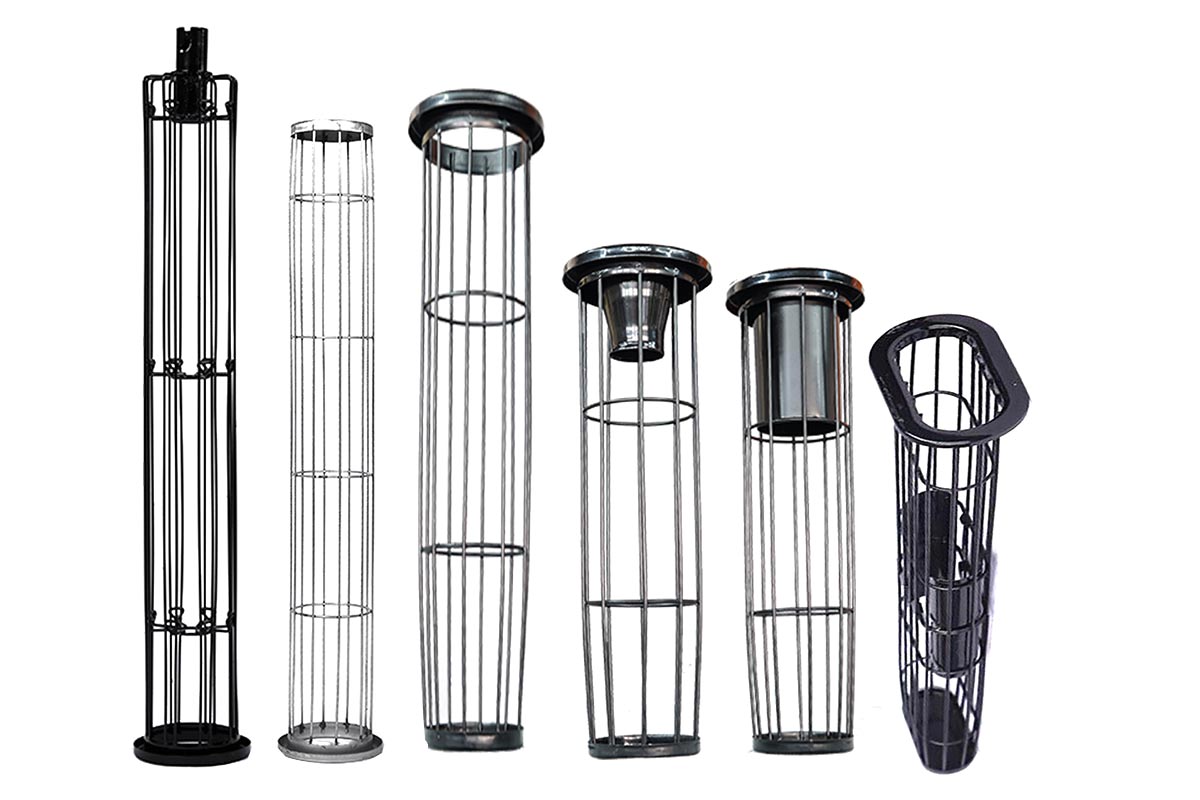
Applicable Industries
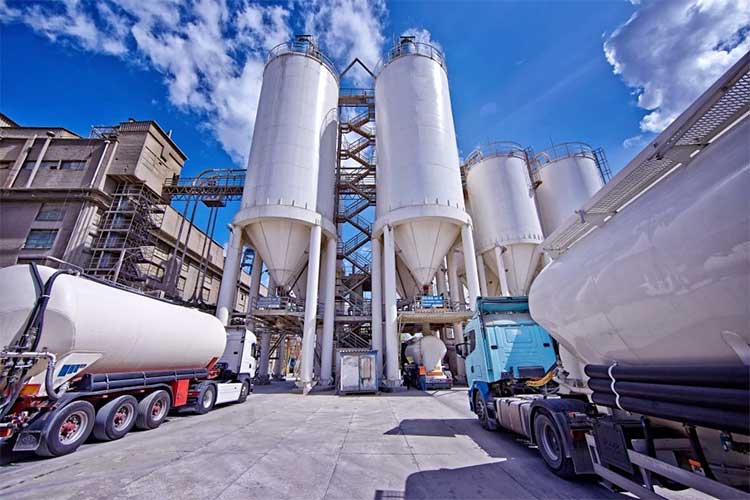
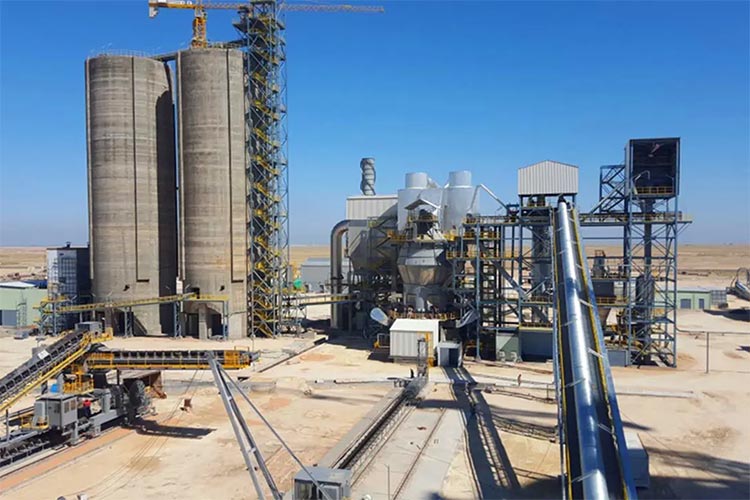
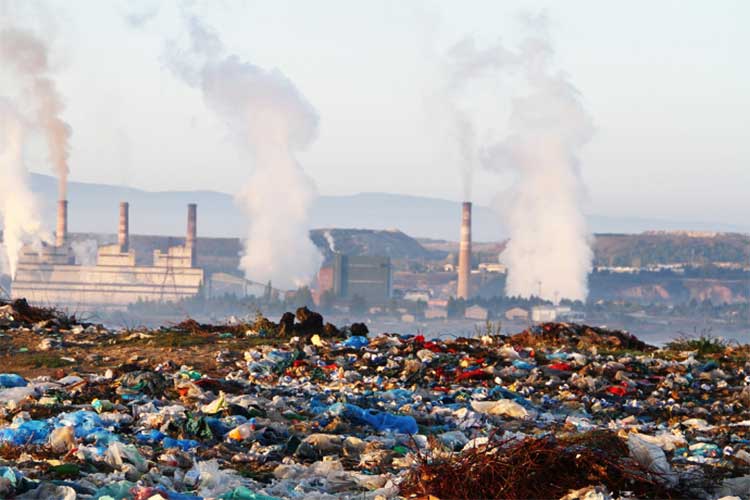
Acrylic filter bags have good anti-chemical and anti-hydrolysis performances in filter bag family. It is widely used in the detergent, waste incinerators, asphalt, dance spray dryer, cement factories, coal mill and power plant for dust collection.- Smoke filtration
- Liquid filtration
- Dust filtration
- Solid-liquid separation

Use and Maintenance
- In order to ensure its efficient operation and extend its service life, acrylic filter bags need to be maintained and cleaned regularly.
- Check the appearance of the filter bag regularly to see if there is any damage, wear or holes. If any damage is found in the filter bag, it should be replaced in time.
- The filter bag should be stored in a dry place to avoid mold growth, and avoid direct sunlight to prevent aging of the acrylic material.
How Filmedia® Improve the Performance of Acrylic Filter Bags
- To increase system filtration capacity by 50-150% as needed without major changes to the dust collectors.
- System cleaning efficiency markedly increased with the effective increase of bag to bag distance.
- Bag life extended due to significant reduction of fatigue damage to the bags due to bag to cage impact.
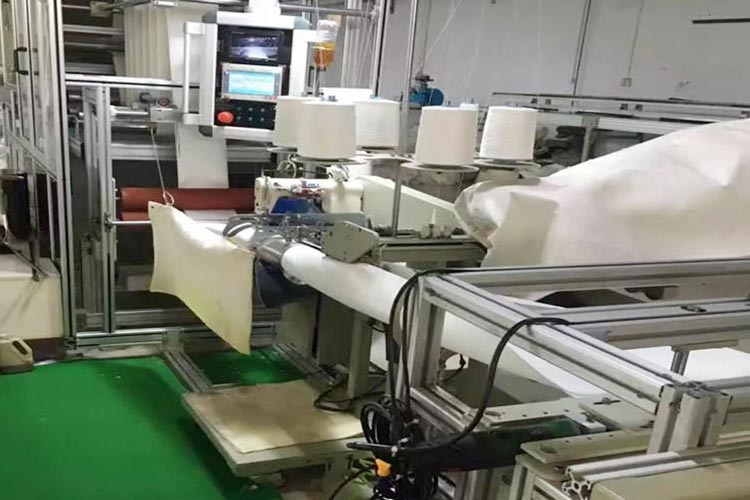
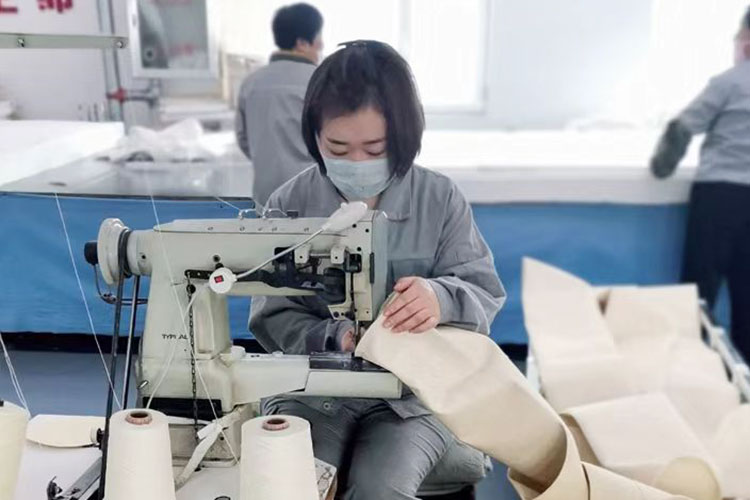
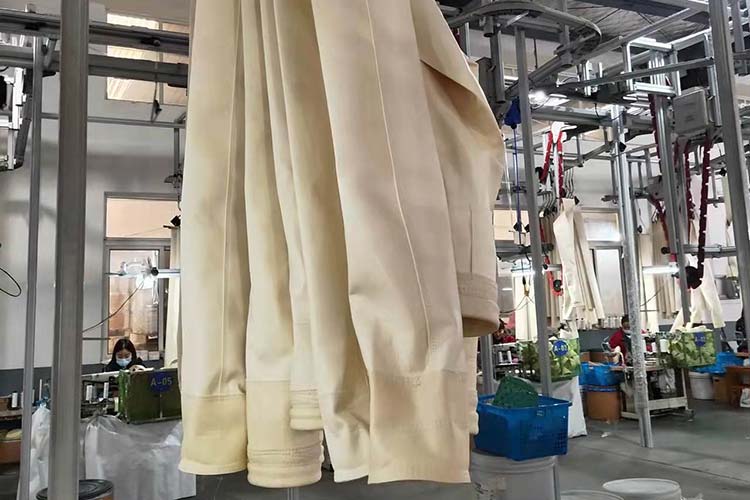
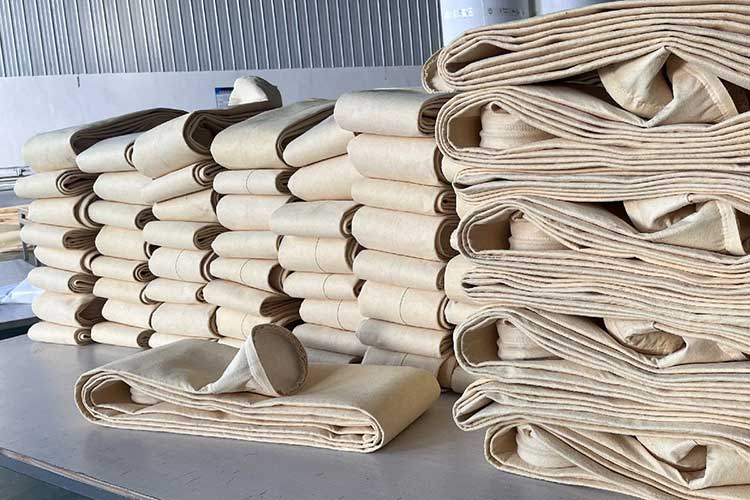
We Pay Attention to Every Processing Detail:
- Accurately design the size of the filter cloth required for the filter bag. The filter cloth will be larger than the actual design size to leave enough operating space.
- Choose the right filter bag accessories and check their quality.
- We draw, cut and sew the filter bags on an automatic production line. When the filter bag needs to be processed manually, we open it on the operating platform and use a certain pulling force to keep it flat.
- We maintain strict processing quality standards in accordance with design drawings and operating procedures. Our workers dress in compliance with safe construction requirements and are prohibited from smoking.