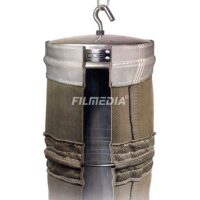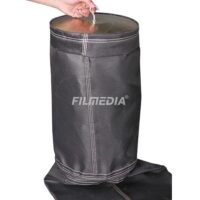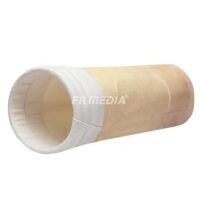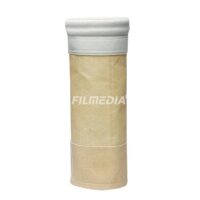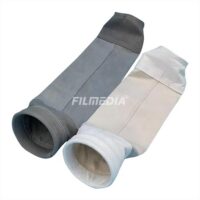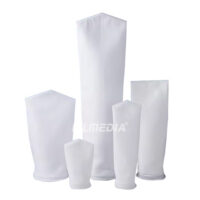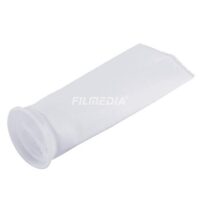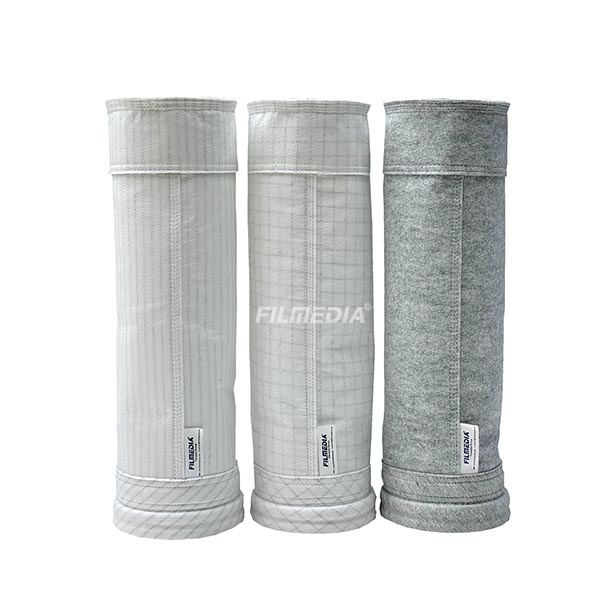
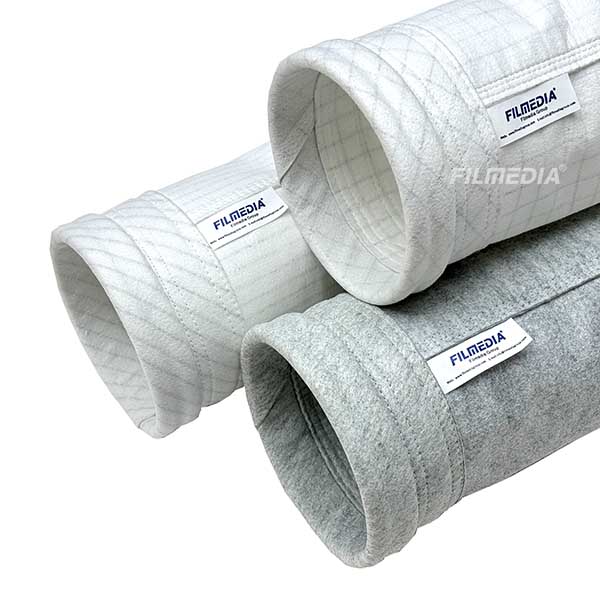
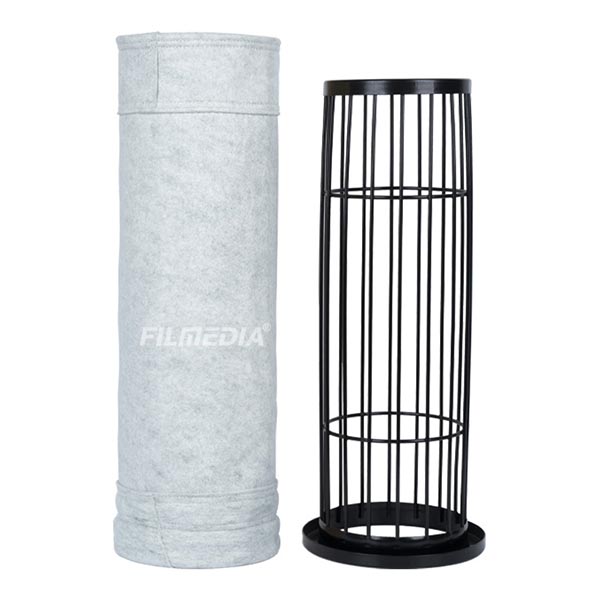
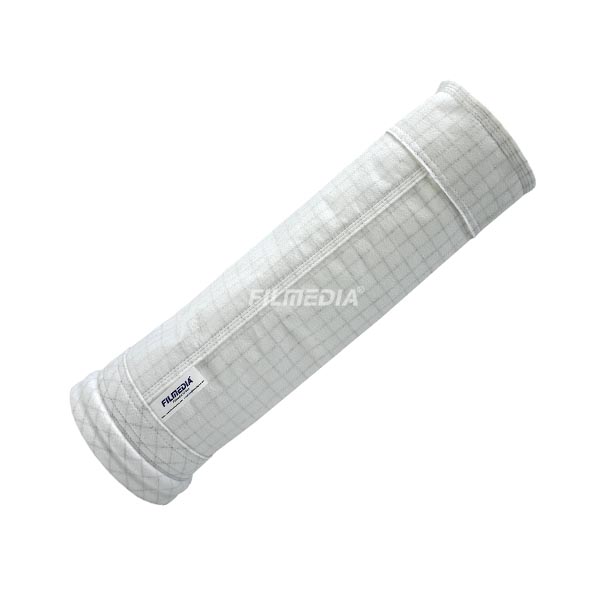
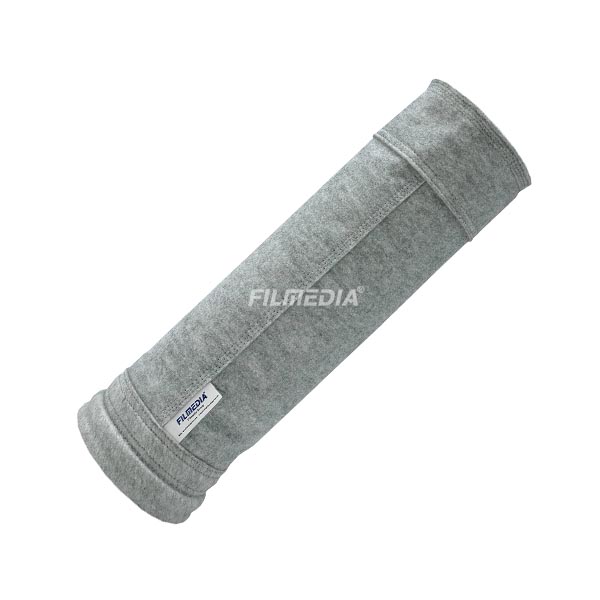
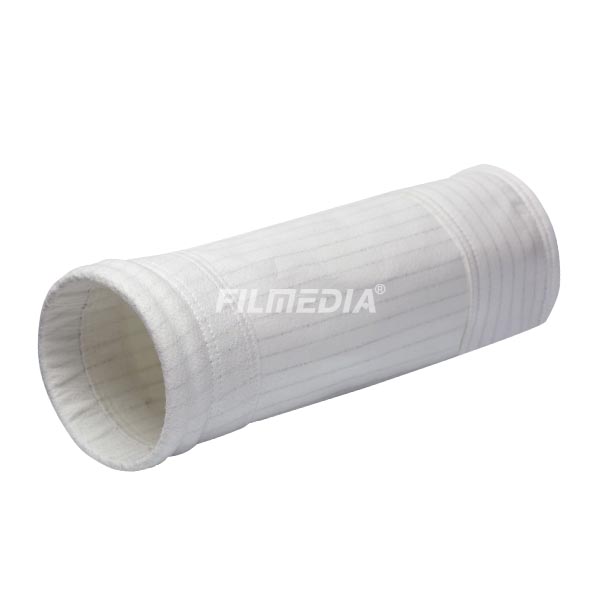
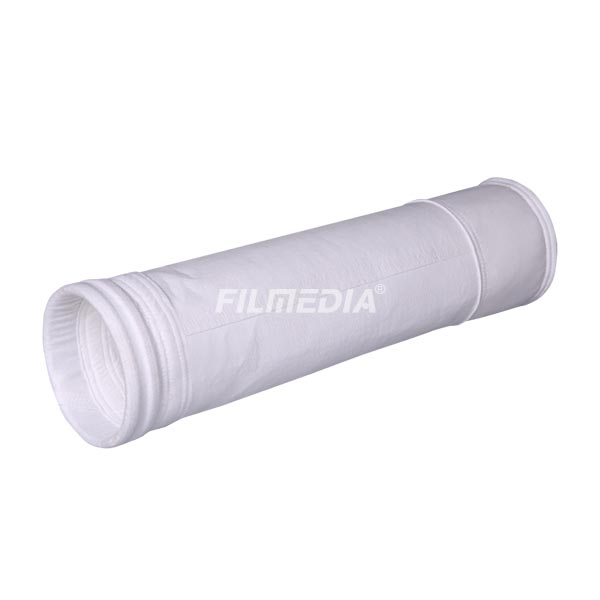
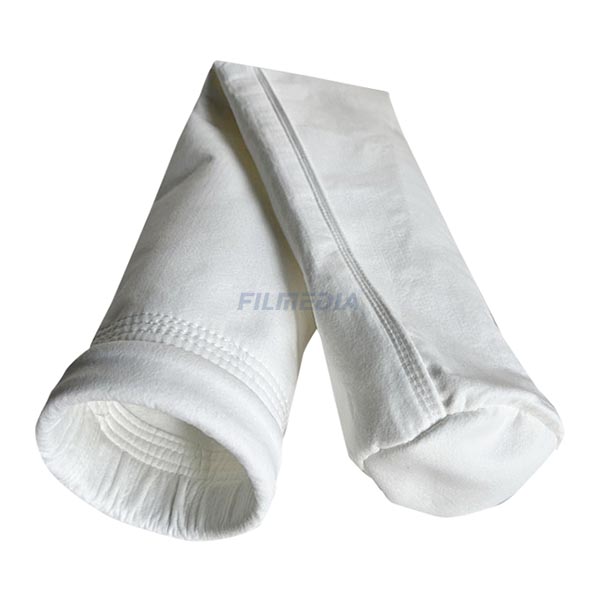
Polyester Needle-Punched Felt Dust Collector Filter Bags
In the field of industrial dust removal, needle-punched polyester (PE/PET) filter bags have become the preferred filtration medium for numerous enterprises due to their exceptional filtration performance and durability.
- To increase system filtration capacity by 50-150% as needed without major changes to the dust collectors.
- System cleaning efficiency markedly increased with the effective increase of bag to bag distance.
- Bag life extended due to significant reduction of fatigue damage to the bags due to bag to cage impact.
Efficient dust control, compatible with multiple cleaning systems
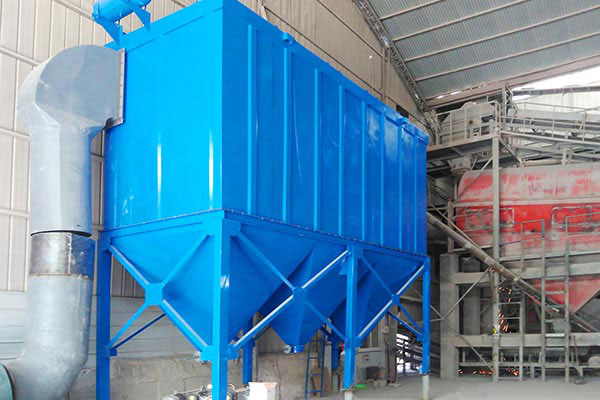
- Pulse Jet Dust Collector
- Reverse Air Dust Collector
- Shaker Dust Collector
Qualifications of PE Series Products: SGS of PE series products
Description
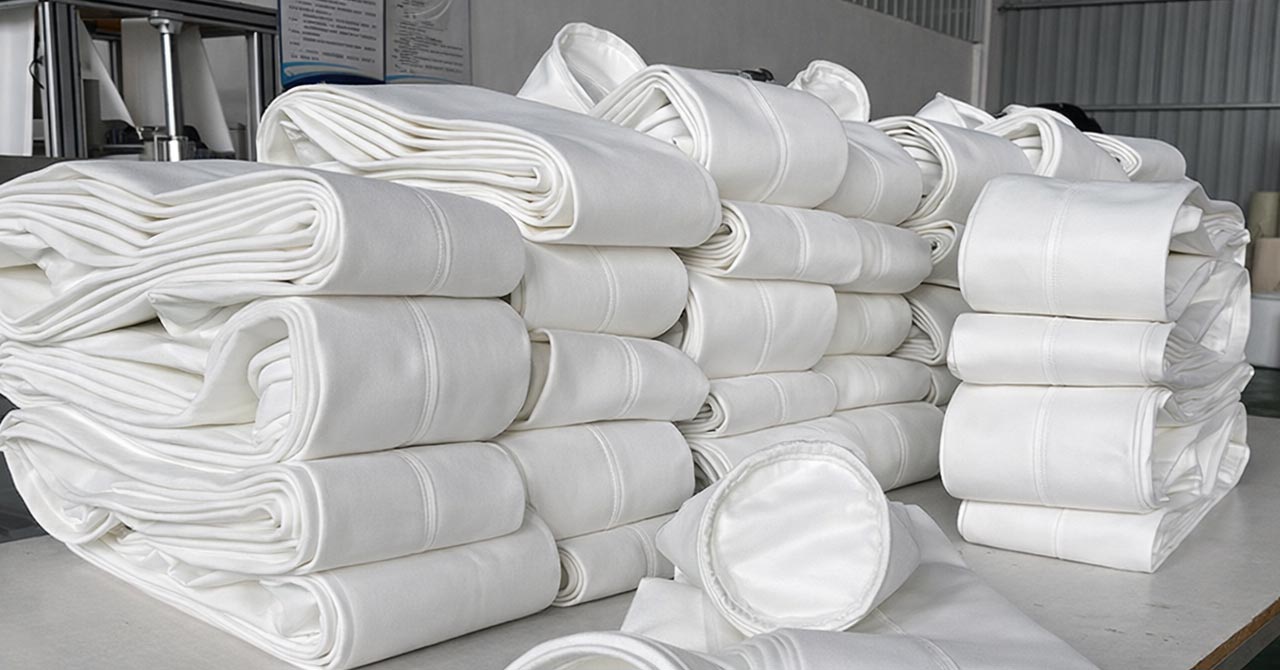
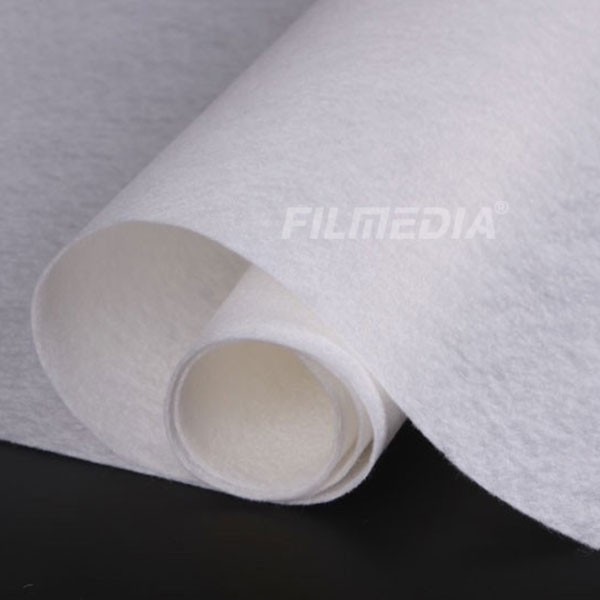
Polyester filter bags are most common materials in the filter bag family. Polyester needle felt filter bags are made of needle punched many times and properly rolled. The short fibers are laid into a fiber web, and then the fiber web is reinforced into a cloth by needles with barbs, and the fiber web is repeatedly punctured to reinforce the fibers to form a needle-punched non-woven fabric. Non-woven fabrics have no distinction between warp and weft, the fibers are messy, and there is little difference in radial and weft properties. The air permeability of the polyester filter bag is more than 50% higher than that of the ordinary calendered filter material, the surface is smooth, the air permeability is good, and the resistance is low.
In The Non-Woven Category, PET(Polyester) Needle Punched Non-Woven Material Has The Following Characteristics.

- High Filtration Efficiency: Polyester filter bags can efficiently capture fine dust, particles, and contaminants due to their dense fiber structure.
- Durability and Strength: Polyester fibers are strong and resistant to tearing and abrasion, which extends the lifespan of the filter bags.
- Chemical Resistance: Polyester fibers exhibit good resistance to many acids and alkalis, making them suitable for use in harsh chemical environments.
- Solvent Resistance: Polyester fibers are resistant to a wide range of solvents, enhancing their applicability in various industrial processes.
- Thermal Stability: Polyester fibers can operate effectively in temperatures up to approximately 130°C(266℉) .
- Moisture Resistance: Polyester fibers inherently repel water, making these filter bags effective in applications where moisture is present.
- Cleanability: Polyester filter bags can be cleaned and reused multiple times, reducing operational costs.
Working Principle
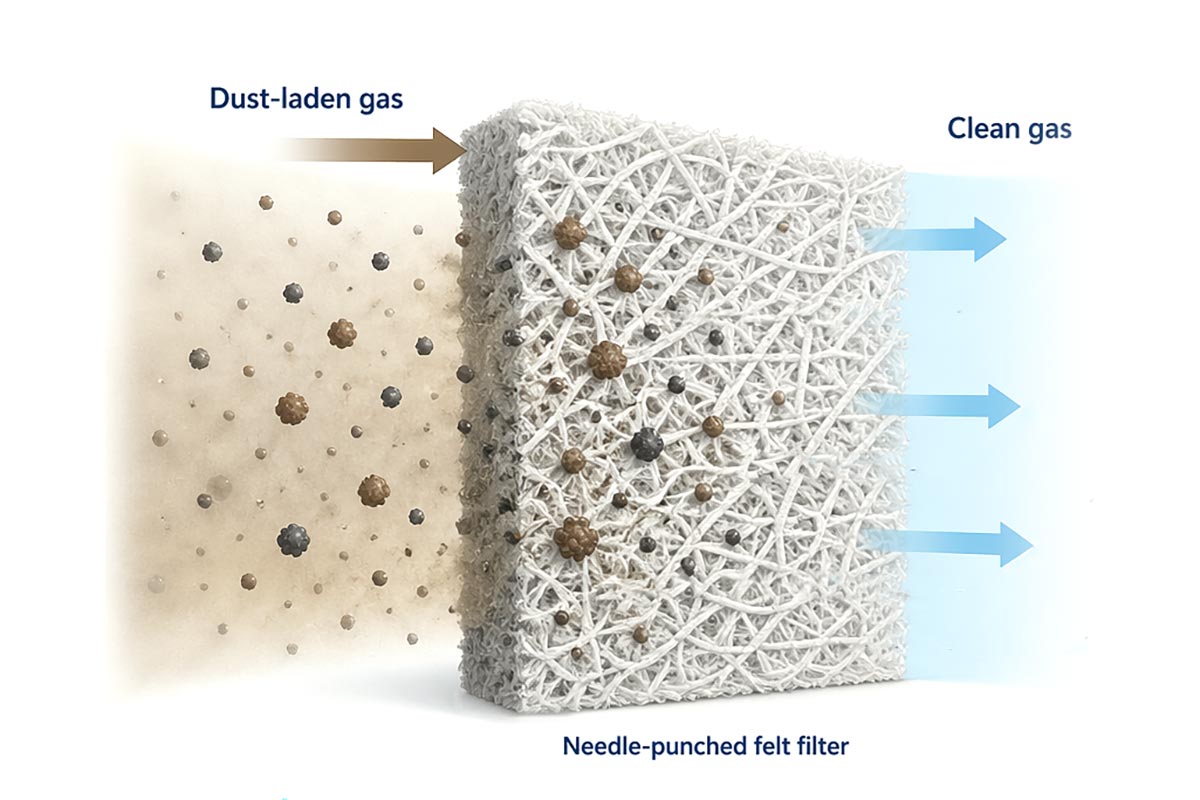
The working principle of the polyester filter bag is the so-called “depth filtration” technology, that is, the “primary dust layer” (powder filter cake) is formed on the surface through the capture of the filter material fibers, and then the subsequent dust is filtered out through the powder filter cake. During the initial use of the polyester filter bag, due to its own large gap, some dust will be discharged through the filter material. Only when the powder cake is formed can the filtration process actually begin. After continuous use, the dust on the surface of the polyester filter bag will gradually penetrate into the filter material, causing the pores of the filter material to be blocked, increasing the running resistance of the equipment until the filter material must be replaced.
Specification of Polyester Filter Bags
| Heat resistance℃/℉ | up to 130/266 |
| Fabric | 100% polyester |
| Length & diameter | No limited |
| Area weight (g/m2) | 350~650 |
| Working lifetime | 8000 hours and more |
| MOQ | 50pcs |
Physical Properties
| Air permeability(L/m2.s) @200pa | Tensile strength(N/5cm) | Temperature(℃/℉) | ||
| warp | weft | continue | instant | |
| 200~300 | 1300 | 1500 | 130/266 | 150/302 |
Chemical Properties
| Acid Resistance | Alkali Resistance | Hydrolytic Resistance | Oxidation Resistance | Abrasion resistance |
| Moderate | Moderate | Poor | Good | Excellent |
Common Types of Needle-Punched Polyester Filter Bags
1. Standard Polyester Filter Bags
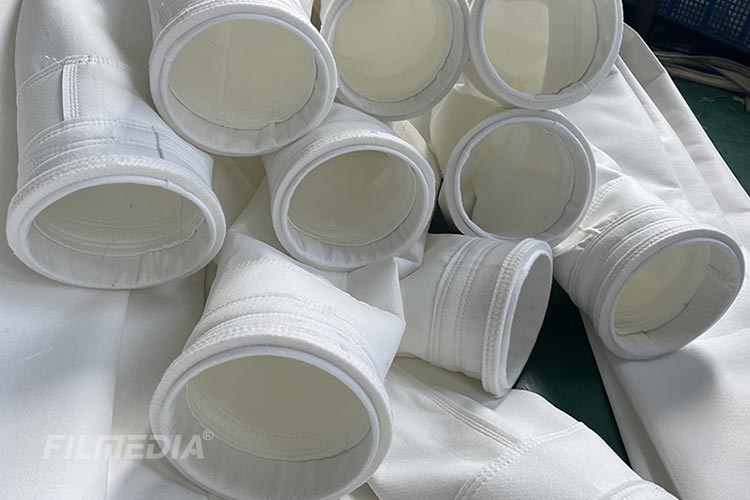
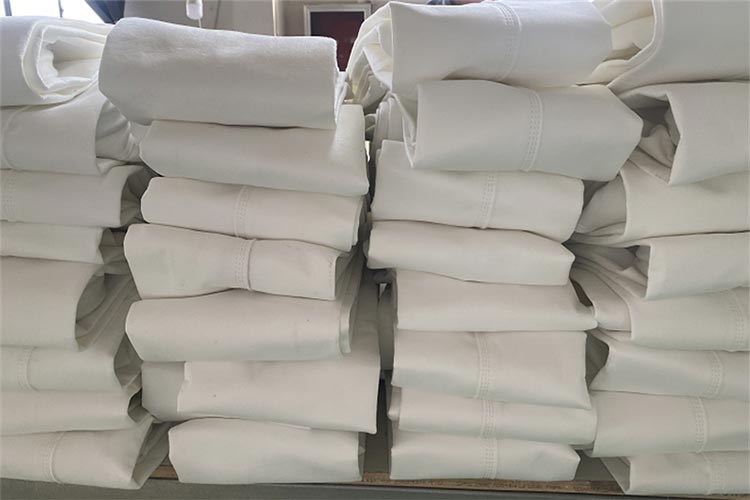
Polyester needle-punched felt features high porosity, excellent air permeability, and efficient dust collection performance, along with a long service life. It offers a moderate temperature resistance, with a short-term peak resistance of up to 120°C, as well as good resistance to acids and alkalis and outstanding abrasion resistance. Therefore, polyester felt is one of the most widely used and cost-effective filter media in the felt filtration category.
2. Antistatic Polyester Filter Bags
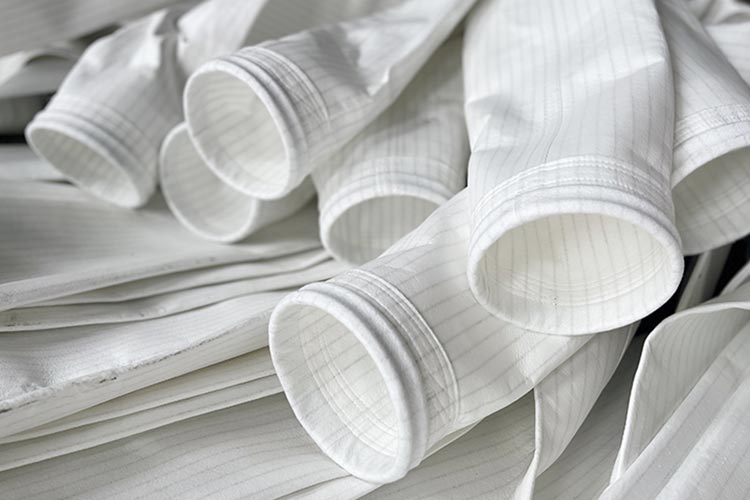
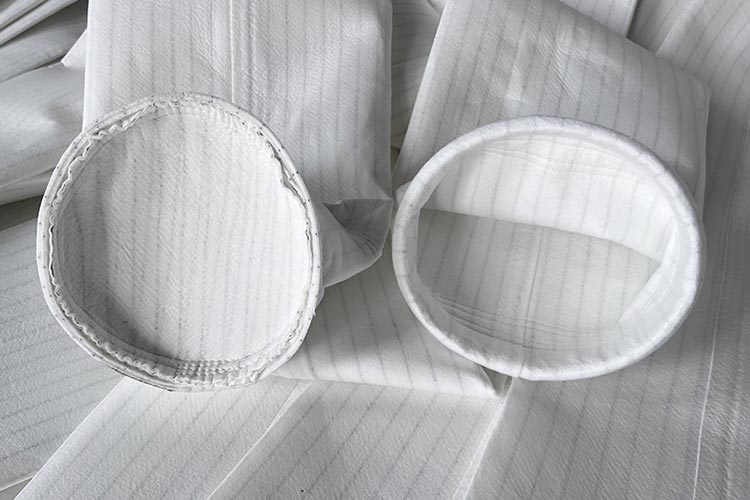
During filtration, high-speed friction between dust particles and filter bags can generate and accumulate static electricity, which may lead to sparks and pose a risk of dust explosion. Since polyester itself is an insulating material, conductive fibers are incorporated into the needle-punched felt to effectively dissipate and release static charge, reducing electrostatic buildup. This type of filter bag is widely used in environments with high static electricity generation or dust explosion risks, such as chemical processing, grain handling, and powder conveying systems.
3. PTFE-Membrane Laminated Polyester Filter Bags
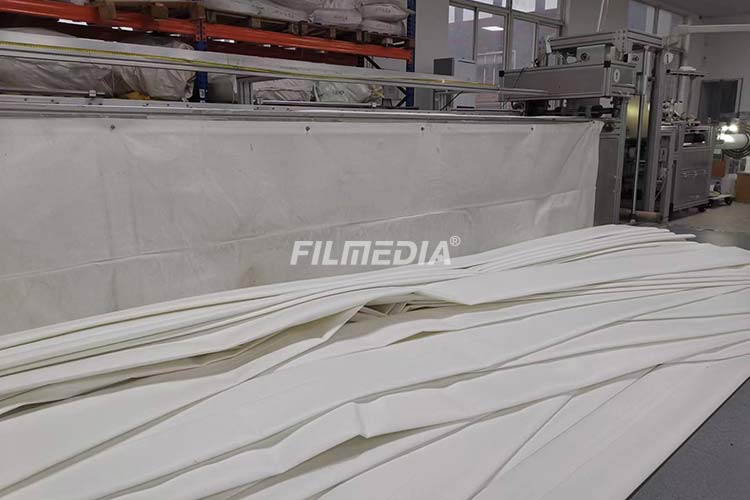
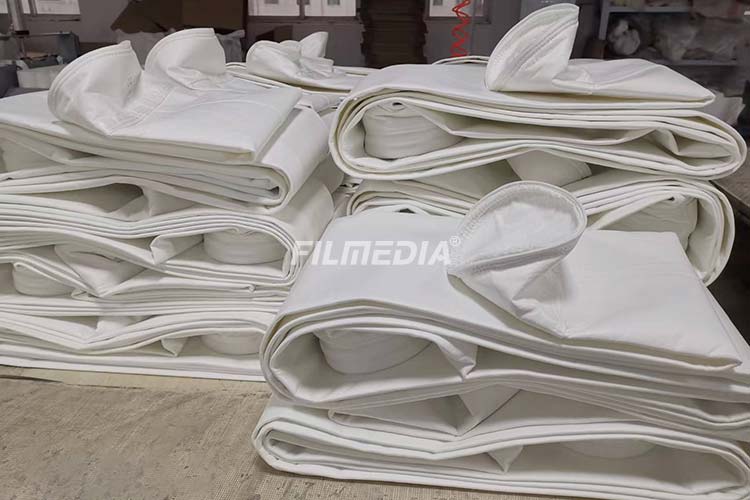
PTFE-membrane laminated polyester filter bags are produced by bonding a microporous polytetrafluoroethylene (PTFE) membrane onto the surface of polyester needle-punched felt. This structure forms an efficient surface filtration layer, significantly improving filtration precision while reducing operating resistance. Key features include stable air permeability, low pressure drop, high filtration efficiency, excellent dust release performance, and strong dust cake detachment capability. They are especially suitable for high-precision filtration and applications involving sticky or fine dust.
Application of Polyester Filter Bags
Because polyester filter bags have high tensile strength, chemical resistance, and the ability to operate at moderately high temperatures, they are versatile and reliable in a variety of industrial environments.
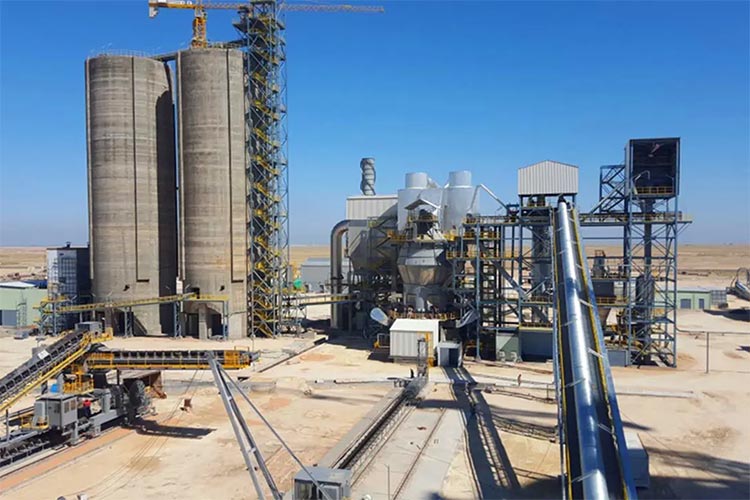
- Cement Industry
Widely used in dust collection systems across various stages of cement production, such as crushing, batching, grinding, and packaging.
Suitable for handling high dust concentrations and relatively coarse particles.
- Steel and Metallurgical Industry
Applied in dust collection systems for blast furnaces, converters, electric furnaces, and sintering machines, mainly for capturing iron oxide dust.
Performs reliably under moderate temperatures and non-corrosive gas conditions.
- Power Industry
Used in coal-fired boilers, ash silos, and pneumatic conveying systems.
Particularly suitable for flue gas at normal temperatures or after cooling treatment.
- Chemical Industry
Suitable for dust control in the production of fertilizers, plastics, rubber, coatings, and other chemical processes.
Offers moderate resistance to acidic and alkaline environments.
- Building Materials Industry
Such as lime plants, gypsum board factories, and ceramic plants for dust emission control.
Capable of handling a wide range of particle sizes with high filtration efficiency.
- Grain and Food Processing Industry
Used in grain processing plants, feed mills, and flour mills for dust collection.
Requires non-toxic and contamination-free materials; some applications require food-grade standards.
- Woodworking and Furniture Manufacturing
Applied in dust collection systems for cutting, sanding, and polishing processes.
Provides excellent wear resistance for handling wood dust and chips.
- Waste Incineration and Environmental Protection
Used in lower temperature conditions or after flue gas cooling.
Often applied as a base filter media or combined with membrane coatings (e.g., PTFE) to enhance performance.
- Mining and Quarrying Industry
Used for dust control in crushing, screening, and conveying processes.
Suitable for high dust concentration and high-impact working conditions.
Choose Filmedia®
Filmedia® continuously innovates its manufacturing processes for needle-punched polyester filter bags, employing advanced needle-punching techniques and post-treatment procedures. Through a multi-stage needle-punching process, the fibers are structured into a three-dimensional matrix, thereby significantly enhancing both the strength and filtration efficiency of the filter material. During the post-treatment phase, we widely utilize a heat-setting process to ensure that the filter bags maintain their dimensional stability even when exposed to high-temperature environments. Furthermore, select high-end products undergo specialized treatments—such as singeing and calendering—to further optimize their surface filtration characteristics.
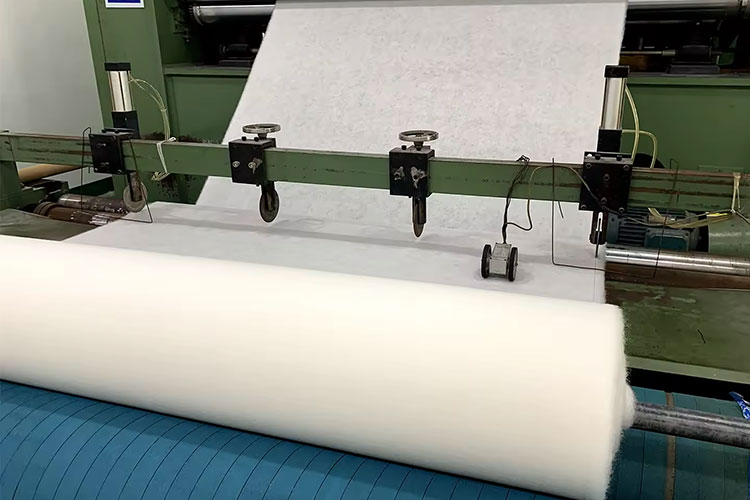
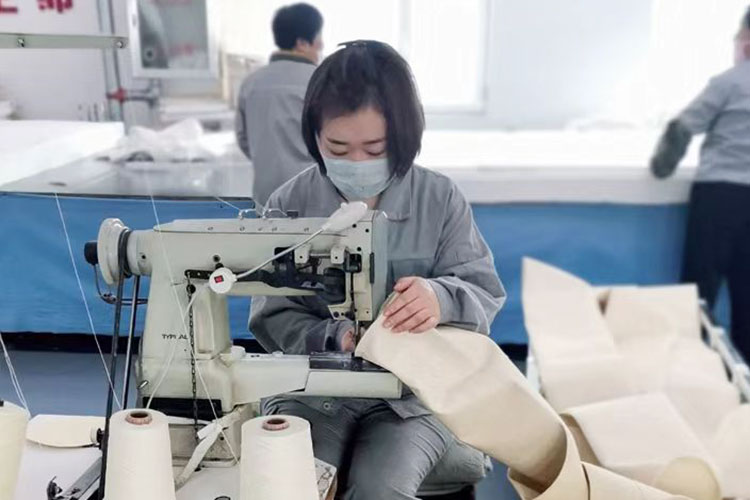


We Pay Attention to Every Processing Detail
- Accurately design the size of the filter cloth required for the filter bag. The filter cloth will be larger than the actual design size to leave enough operating space.
- Choose the right filter bag accessories and check their quality.
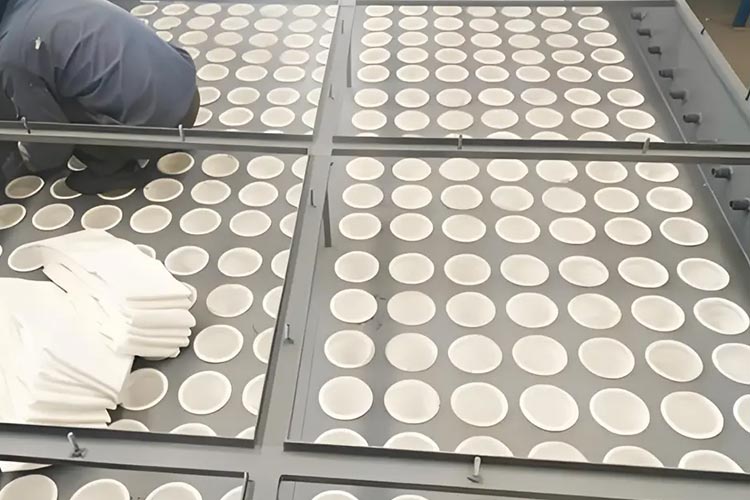
- We draw, cut and sew the filter bags on an automatic production line. When the filter bag needs to be processed manually, we open it on the operating platform and use a certain pulling force to keep it flat.
- We maintain strict processing quality standards in accordance with design drawings and operating procedures. Our workers dress in compliance with safe construction requirements and are prohibited from smoking.