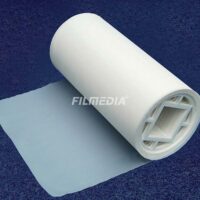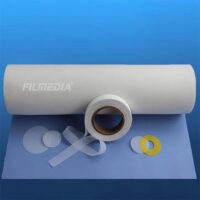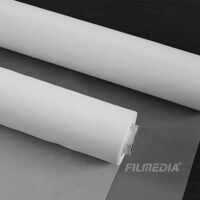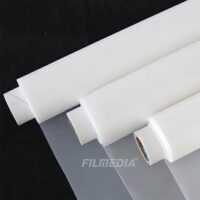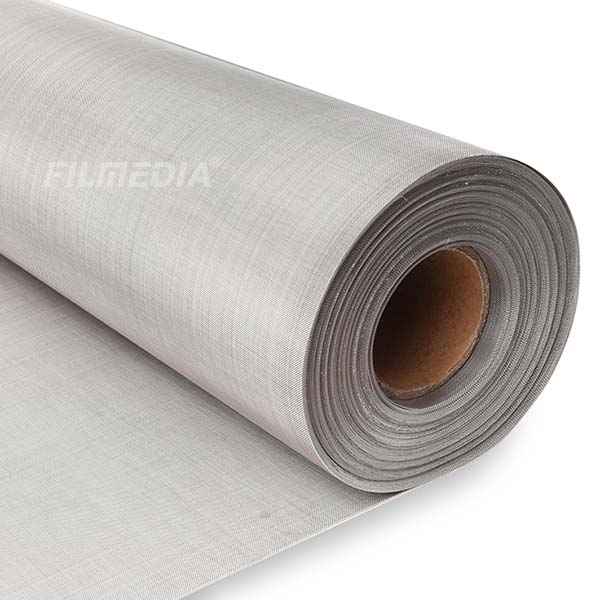
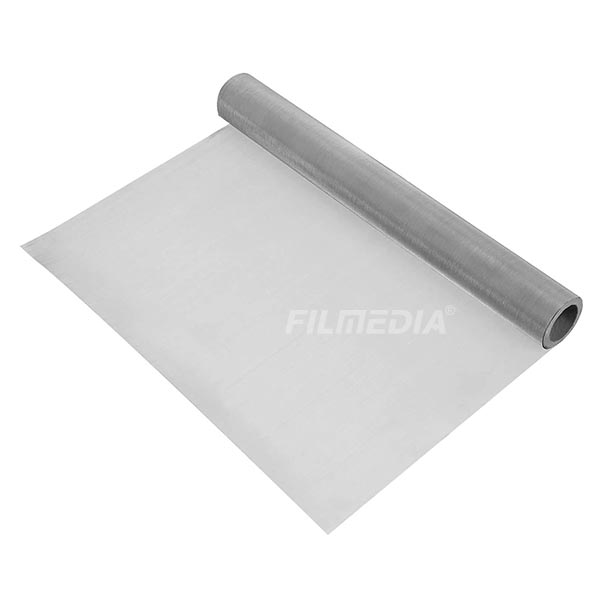

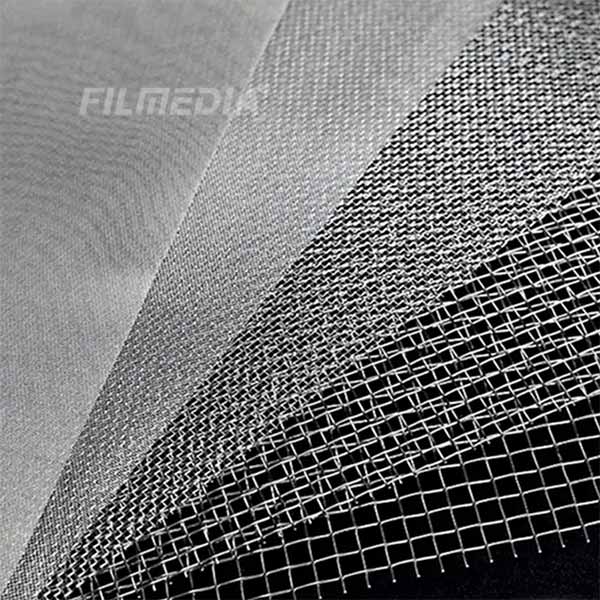
Ordinary filter screens have a relatively short service life when used in harsh environments such as high temperatures or strong corrosion. In contrast, stainless steel filter screens, due to their excellent heat resistance, corrosion resistance, and high strength, maintain stable performance even under extreme conditions. These characteristics make stainless steel filter screens an ideal material for industrial filtration and conveying systems that require high durability and precision.
- Material: SS 304, 304L, 316, 316L, etc.
- Filtration precision: 1.0-400 mesh
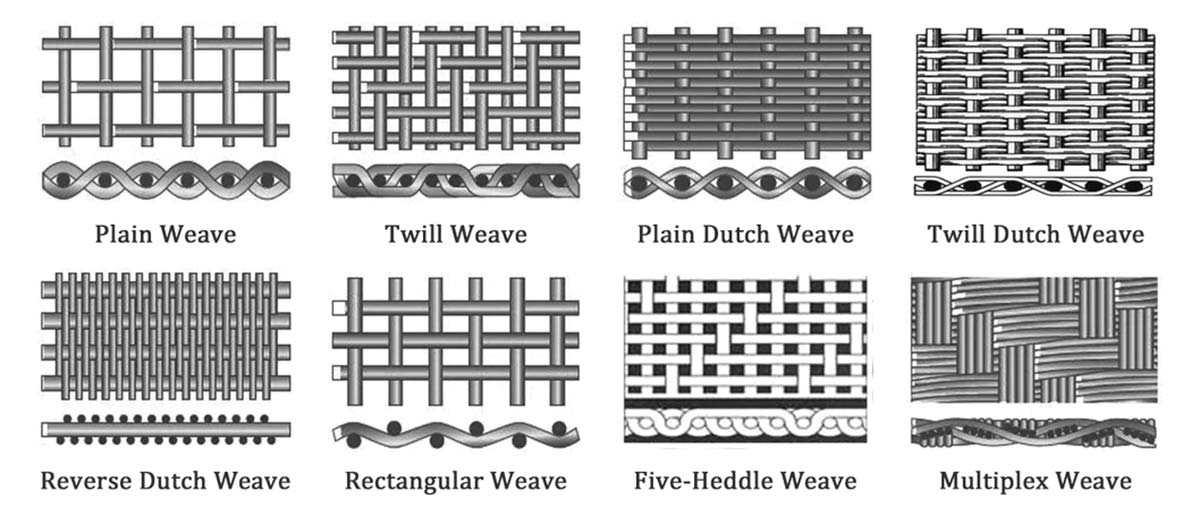
- Weaving: Plain Weave, Twill Weave, Plain Dutch Weave, Dutch Twill Weave, etc.
- Shapes: Rectangular, circular, ring-shaped, oblong, waist-shaped, irregular shapes, and other specifications.
- Number of layers: Single-layer, double-layer, triple-layer, quadruple-layer, five-layer, and multi-layer composite structures.
Description
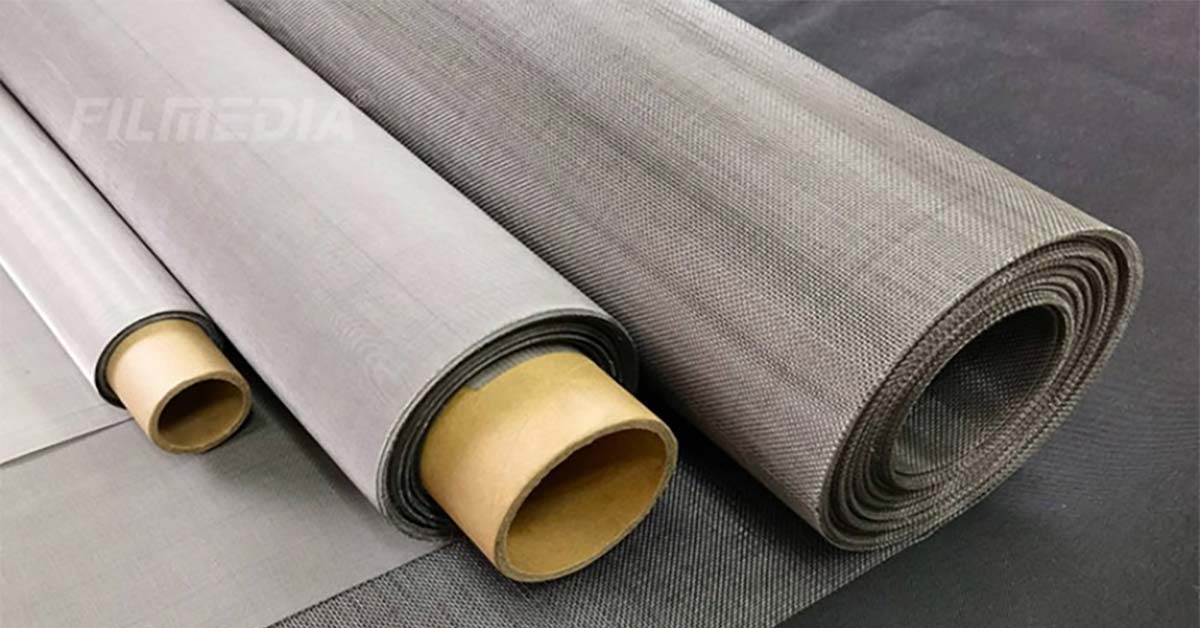
Working at temperatures above 400℃
During normal operation, the filter mesh temperature rises due to the heat transferred from materials. For most materials, tensile strength decreases as the temperature increases, which shortens their lifespan. Stainless steel, however, maintains outstanding thermal resistance and remains unaffected even under continuous exposure to temperatures above 400°C. Can withstand temperatures up to 480°C, ideal for industries such as metallurgy, heat treatment, chemical processing, and food drying.
Other Excellent Features
- Stable Filtration Performance
Made from high-quality stainless steel wire, the mesh is structurally firm and resistant to deformation, ensuring long-term filtration accuracy.
- High Strength and Pressure Resistance
Capable of withstanding significant mechanical stress and working loads, making it suitable for high-pressure or heavy-duty applications.
- Easy Cleaning and Maintenance
The single-layer mesh structure is easy to clean, especially suitable for backwashing or reverse-cleaning systems, extending its lifespan.
- Excellent Corrosion and Wear Resistance
Stainless steel has superior resistance to acids, alkalis, and various chemical media, allowing it to perform reliably in long-term corrosive environments.
- Superior Workability
The mesh can be easily cut, bent, stretched, and welded, making it highly adaptable to different equipment designs and structures.
Weaving Types
Common Specification
| Weaving Type | Mesh Number | Diameter(mm) | Aperture (mm) | Weight(kg/Sqm) | |
| Plain | 1 | 2mm×2mm | 23.4 | 2.0 | |
| Plain | 2 | 1.5mm×1.5mm | 11.2 | 2.25 | |
| Plain | 3 | 1.0mm×1.0mm | 7.466 | 1.5 | |
| Plain | 4 | 0.9mm×0.9mm | 5.45 | 1.62 | |
| Plain | 5 | 0.8mm×0.8mm | 4.28 | 1.6 | |
| Plain | 6 | 0.7mm×0.7mm | 3.53 | 1.47 | |
| Plain | 8 | 0.5mm×0.5mm | 2.675 | 1.0 | |
| Plain | 10 | 0.8mm×0.8mm | 1.74 | 3.2 | |
| Plain | 12 | 0.6mm×0.6mm | 1.516 | 2.16 | |
| Plain | 18 | 0.35mm×0.35mm | 1.061 | 1.10 | |
| Plain | 20 | 0.3mm×0.3mm | 0.97 | 0.9 | |
| Plain | 25 | 0.2mm×0.2mm | 0.816 | 0.50 | |
| Plain | 30 | 0.3mm×0.3mm | 0.546 | 1.35 | |
| Plain | 40 | 0.25mm×0.25mm | 0.385 | 1.25 | |
| Plain | 50 | 0.2mm×0.2mm | 0.308 | 1.0 | |
| Plain | 60 | 0.15mm×0.15mm | 0.273 | 0.675 | |
| Plain | 70 | 0.14mm×0.14mm | 0.222 | 0.686 | |
| Plain | 80 | 0.12mm×0.12mm | 0.197 | 0.576 | |
| Plain | 90 | 0.11mm×0.11mm | 0.172 | 0.544 | |
| Plain | 100 | 0.10mm×0.10mm | 0.154 | 0.50 | |
| Plain | 120 | 0.08mm×0.08mm | 0.131 | 0.384 | |
| Plain | 150 | 0.07mm×0.07mm | 0.099 | 0.367 | |
| Plain | 180 | 0.05mm×0.05mm | 0.091 | 0.225 | |
| Plain | 200 | 0.05mm×0.05mm | 0.077 | 0.25 | |
| Plain | 250 | 0.04mm×0.04mm | 0.0616 | 0.20 | |
| Plain | 270 | 0.035mm×0.035mm | 0.059 | 0.165 | |
| Plain | 300 | 0.03mm×0.03mm | 0.054 | 0.135 | |
| Plain | 325 | 0.027mm×0.027mm | 0.051 | 0.118 | |
| Plain | 350 | 0.025mm×0.025mm | 0.047 | 0.109 | |
| Plain | 380 | 0.02mm×0.02mm | 0.046 | 0.076 | |
| Plain | 400 | 0.018mm×0.018mm | 0.0455 | 0.0648 | |
| Plain | 350 | 0.025mm×0.025mm | 0.047 | 0.109 | |
| Plain | 380 | 0.02mm×0.02mm | 0.046 | 0.076 | |
| Plain | 400 | 0.018mm×0.018mm | 0.0455 | 0.0648 | |
Applications of Stainless Steel Filter Mesh
Chemical and Petrochemical Industry
- Filtration and separation of catalysts, acids, alkalis, and organic solvents.
- Used in reaction towers, distillation columns, and filtration units to ensure product purity and process stability.
Water Treatment and Environmental Protection
- Applied in municipal and industrial wastewater treatment systems.
- Used for sand filters, activated carbon filters, and membrane pre-filtration.
- Helps remove impurities, suspended solids, and contaminants efficiently.
Food and Beverage Industry
- Used for liquid clarification and purification in processes such as sugar refining, brewing, juice filtration, and edible oil processing.
- Stainless steel mesh meets food-grade hygiene standards and allows easy cleaning and sterilization.
Pharmaceutical and Biotechnology Industry
- Applied in air purification systems, sterile production environments, and liquid drug filtration.
- Ensures fine particle removal and prevents cross-contamination.
Metallurgy and Mining
- Used for ore screening, powder classification, and molten metal filtration.
- Withstands high-temperature and abrasive conditions, ensuring long service life.
Automotive and Mechanical Engineering
- Used in hydraulic systems, fuel filters, oil filtration, and lubrication circuits.
- Prevents impurities from damaging precision components and prolongs equipment life.
Electronics and Aerospace
- Applied in precision filtration for electronic cooling systems, fuel systems, and high-temperature gas filtration.
- Provides stable performance under vibration, pressure, and thermal stress.
Construction and Architectural Applications
- Used as ventilation screens, decorative panels, or protective mesh.
- Combines functional filtration with modern aesthetic design.
Filmedia® – Stainless Steel Filter Mesh Manufacturer
We strictly implement comprehensive quality control and inspection procedures at every stage of production — from raw material selection, wire drawing, weaving, heat treatment, to final inspection — ensuring each product meets or exceeds customer expectations and international standards.