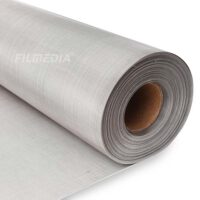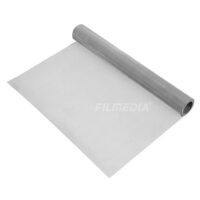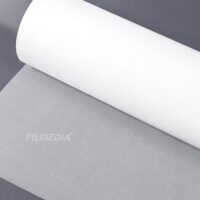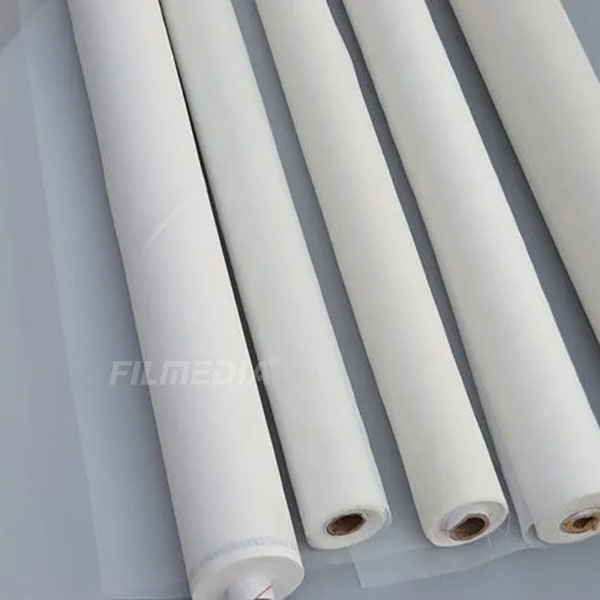


Micron filter mesh is a precision filtration material designed to filter particles based on their size, measured in microns (µm). One micron equals one-millionth of a meter (0.001 mm). These meshes are used where fine particle separation is required, from industrial liquids and gases to laboratory and food applications.
Description
Filmedia industrial mesh is highly appreciated at compact and liquid separation in the membrane technology, industries like food/beverage, automotive, chemical and pharma areas– built a solid reputation due to their enormous diversity for industrial processes.
Common Micron Ratings and Applications
| Micron Rating (µm) | Particle Size | Typical Applications |
|---|---|---|
| 0.1 – 1 µm | Ultrafine dust, bacteria | High-precision liquid filtration, air purification, pharmaceuticals |
| 5 – 20 µm | Fine powders, suspended particles | Precision chemical filtration, beverage industry |
| 25 – 100 µm | Sand, larger particles | Water treatment, industrial liquid filtration, sieving |
| 100 – 500 µm | Large particles, debris | Coarse filtration, preliminary industrial or agricultural screening |
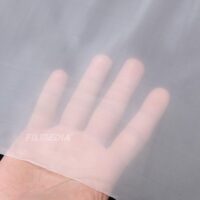
Comparison of effects with different mesh counts

Comparison of Common Filter Mesh Materials
| Material | Strength | Chemical Resistance | Temperature Resistance | Abrasion Resistance | Air/Filtration Precision | Suitable Applications |
|---|---|---|---|---|---|---|
| Polyester (PET) | High | Good, resistant to acids and alkalis | -40°C ~ 150°C | High | Can achieve high-precision micron filtration | Industrial liquid filtration, printing, painting |
| Nylon (PA) | High | Moderate, suitable for weak acids and weak alkalis | -40°C ~ 120°C | High | High-precision filtration | Food processing, chemical liquid filtration |
| Polypropylene (PP) | Medium | Excellent, resistant to strong acids and alkalis | -20°C ~ 100°C | Medium | Medium micron filtration | Water treatment, chemical liquid filtration |
| Polyethylene (PE) | Medium | Excellent | -60°C ~ 80°C | Medium | Medium-precision filtration | Chemical liquids, food processing, agriculture |
| Stainless Steel (SS) | Very high | Excellent | Up to 800°C | Very high | High-precision mechanical filtration | High temperature, high pressure, chemical industry, air filtration |
Summary Comparison
- Strength: SS > PET ≈ Nylon > PP ≈ PE
- Chemical Resistance: PP ≈ PE ≈ SS > PET > Nylon
- Temperature Resistance: SS > PET > Nylon > PP > PE
- Abrasion Resistance: SS > PET ≈ Nylon > PP ≈ PE
- Filtration Precision: Nylon > PET > PP ≈ PE > SS (depends on weave precision)
Weave types
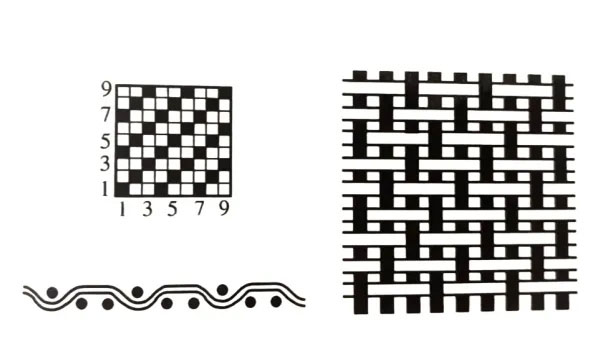
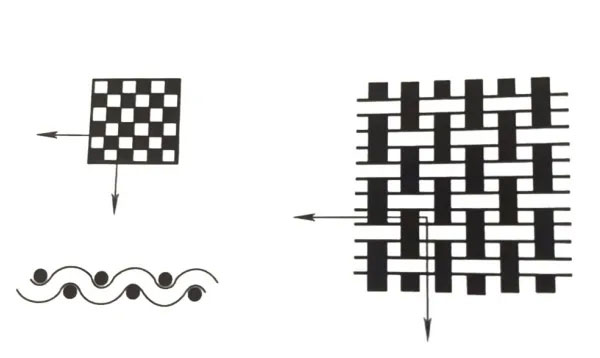
- Plain weave
Plain weave is the simplest among textile structures, created by interlacing the warp and weft yarns alternately. This structure provides numerous crossing points, resulting in well-regulated, highly durable fabrics with excellent resistance to friction. Because the warp and weft yarns appear uniformly on both the front and back surfaces, it is often difficult to distinguish the front from the back, unlike in other weave structures.
- Twill weave
Twill weave is formed by intersecting the warp and weft yarns, with each yarn passing over or under two or more opposing yarns, creating a distinctive diagonal pattern known as the twill line. Compared to plain weave, twill fabrics are slightly less durable but more flexible and possess a glossier texture, as the warp yarns float over a larger surface area. With fewer interlacing points, twill allows the production of high-density fabrics with minimal gaps. Variations such as 2/2, 2/1, and 3/1 twill weaves—where the weft crosses over and under different numbers of warp yarns—enable a wide range of structures and textures that are not achievable with plain weave.