
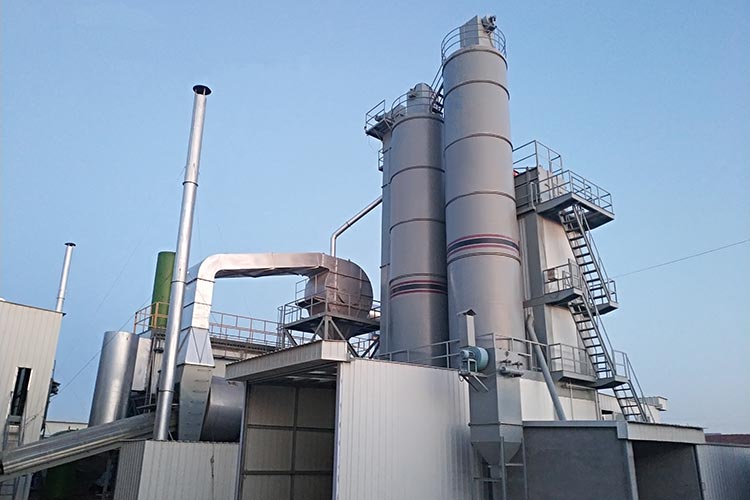
Sources of Dust in the Asphalt Industry
During asphalt production and paving operations, large amounts of dust and fumes are generated. The main sources of dust in the asphalt industry include the following stages:
- Aggregate Processing and Conveying
During crushing, screening, drying, and conveying, aggregates generate significant mineral dust due to friction and impact. Dust concentration is especially high inside high-temperature drying drums.
- Asphalt Heating and Mixing Process
When asphalt is heated and mixed with aggregates, fine particulate-laden hot fumes are produced. These dust particles are typically very fine, high in temperature, and highly adhesive, making them difficult to control.
- Filler (Mineral Powder) Feeding
Mineral filler easily becomes airborne during storage, metering, and feeding, and is one of the most concentrated dust emission sources in asphalt mixing plants.
- Finished Material Discharge and Loading
During unloading, loading, and transportation of hot mix asphalt, temperature differences and air turbulence can generate secondary dust and fumes.
Overall, dust in the asphalt industry is characterized by high temperature, high abrasiveness, fine particle size, oil content, and strong adhesion, posing demanding requirements for dust collection systems.
Importance of Dust Filtration in the Asphalt Industry
An efficient dust filtration system is essential for the safe, compliant, and stable operation of asphalt mixing plants. Its importance is reflected in the following aspects:
- Compliance with Environmental Regulations
With increasingly strict global emission standards, effective control of particulate emissions is mandatory to meet local and international environmental regulations.
- Protection of Equipment and System Stability
Unfiltered dust can accumulate in fans, pipelines, and heat exchange systems, accelerating wear, increasing maintenance costs, and raising the risk of unplanned downtime.
- Improved Working Environment and Occupational Health
Long-term exposure to high dust concentrations can seriously affect workers’ respiratory health. High-efficiency filtration significantly improves air quality and workplace safety.
- Dust Recovery and Resource Reuse
High-performance filtration systems enable the recovery of mineral powder for reuse in production, improving material utilization and reducing overall operating costs.
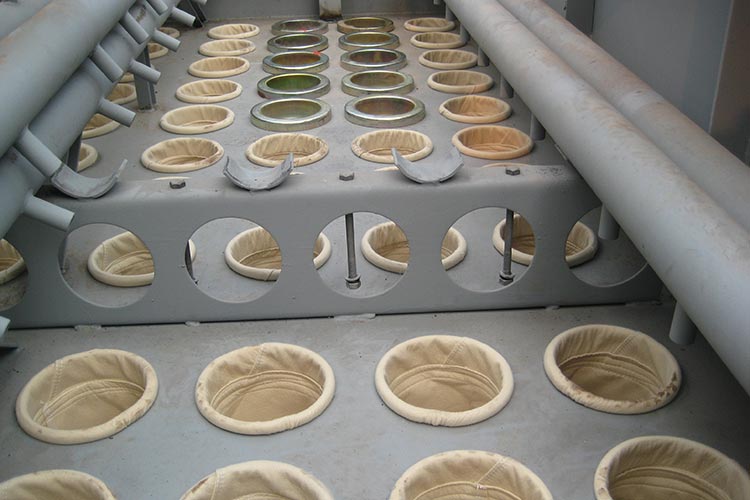
Filter Media and Filter Bags for Asphalt Mixing Plants
To cope with the high-temperature, high dust load, and complex operating conditions of asphalt mixing plants, high-temperature-resistant, high-strength, and wear-resistant filter media and filter bags are widely used. Common options include:
Polyester (PET) Needle Felt Filter Media
Suitable for medium- and low-temperature applications, offering good filtration efficiency and cost-effectiveness for stable operating conditions.
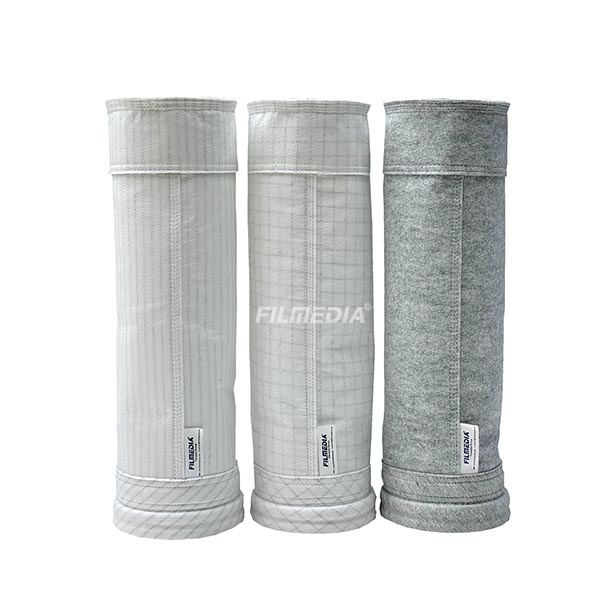
Aramid (Nomex®) Needle Felt Filter Media
Excellent heat resistance and dimensional stability make it ideal for high-temperature flue gas filtration in asphalt mixing plants.
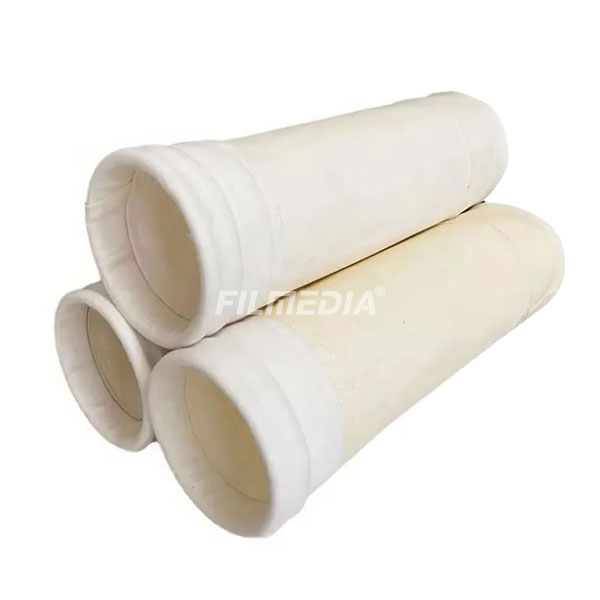
P84 (Polyimide) Needle Felt Filter Media
With a unique fiber cross-section, it delivers high filtration efficiency and superior fine dust capture, suitable for stringent emission requirements.
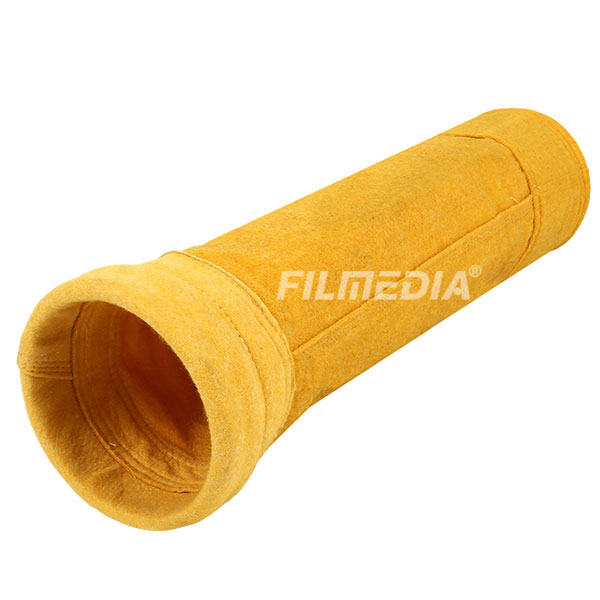
PTFE Membrane or Blended Filter Media
Featuring a smooth surface, low dust adhesion, excellent chemical resistance, and easy cleaning performance, these materials are ideal for oily, high-humidity, or ultra-low-emission applications.

Customized Filter Bag Design
Filmedia® Filter bags can be tailored to different plant models and operating conditions, with options such as round or flat designs, as well as anti-static, abrasion-resistant, or membrane-laminated treatments to extend service life and ensure stable operation.