

Needle Punched Felt Filter Fabric
Non-Woven Fabric Filter Fabric for Dust, Air and Liquid Filtration
Filmedia® Filtration Solutions
As a leading manufacturer of needle-punched felts in China, Filmedia® is committed to delivering first-class filtration solutions. With advanced production lines, strict quality control, and continuous R&D investment, we provide high-performance, customizable needle felts and filter materials for cement, steel, chemical, waste-to-energy, power generation, mining, and industrial dust collection. Our products are sold to more than 100 countries and regions worldwide, helping customers improve environmental performance and operational efficiency with stable, reliable, and cost-effective filtration solutions.
What is Needle Punched Felt Filter Fabric?
Needle-punched felt is a nonwoven material made by mechanically piercing and entangled fibers to form a dense felt-like structure, rather than through spinning and weaving processes. It differs from traditional woven fabrics and chemically bonded felts; its core lies in the physical entanglement of fibers.
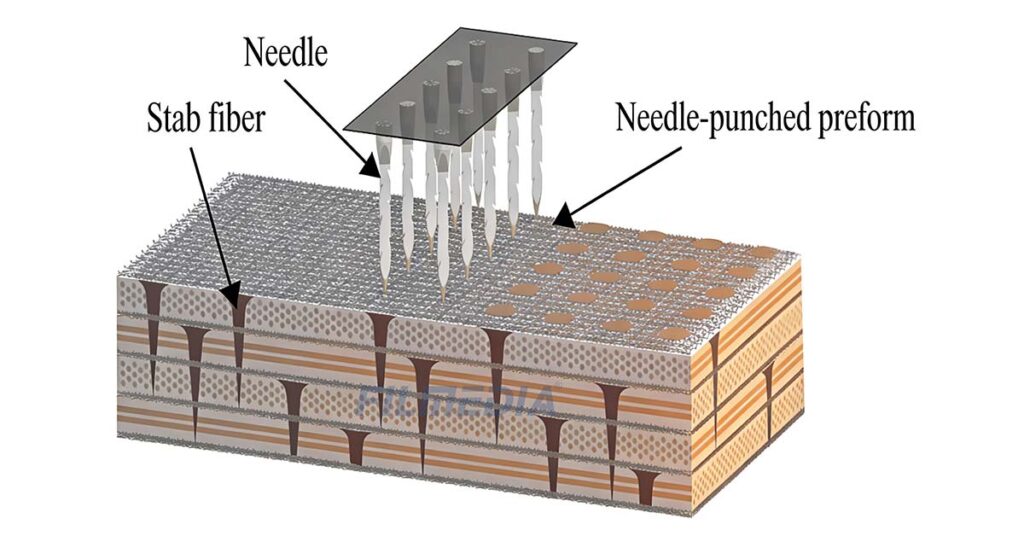
Advantages of Needle Punched Felt Filter Fabric
- High-efficiency filtration: Needle-punched filter felt has a high filtration efficiency and can effectively capture tiny particles and solid particles, making it widely used in industrial filtration systems.
- Wear resistance: This filter material generally has good wear resistance and can work under high flow rates and high pressures, reducing the frequency of replacing filter materials.
- Chemical resistance: It can choose chemically inert materials as needed, allowing it to work in corrosive environments, such as in the chemical industry.
- Strong adaptability: It can be customized according to different needs, including different fiber materials, thicknesses and pore sizes, to adapt to the filtration requirements in different fields.
- Easy to clean and replace: Compared to disposable filter materials, needle-punched filter felts can usually be cleaned and reused, or replaced relatively easily, which helps reduce maintenance costs.
Specifications
- Material: Polypropylene (PP), acrylic, polyester (PE), PPS, aramid (Aramid), P84, PTFE, fiberglass, FMS.
- Processing: Calendering, heat setting, singeing, anti-static, water&oil repellent, PTFE membrane.
- Shape: Roll (diameter: 120-180mm; length: 2000-9000mm; or customized).
- Thickness: 0.5 – 30mm or customized..
- Width: ≤320 cm.
- Gram Weight: 300~600g.
Material For Needle Punched Felt Filter Fabric
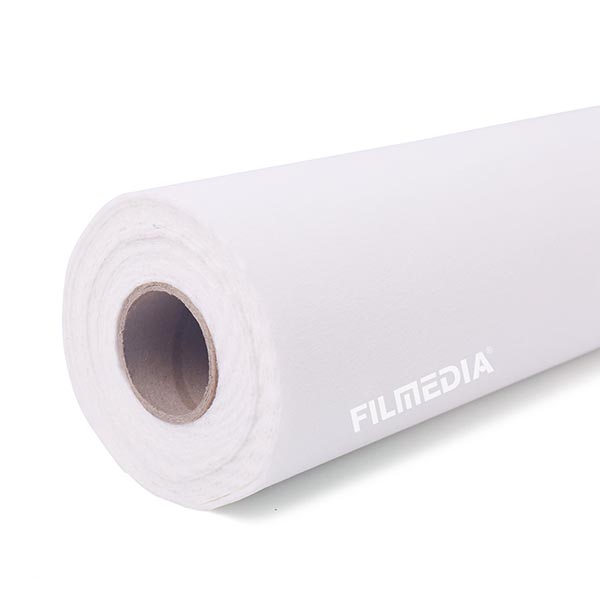
Polypropylene Needle Felt
(Working Temperature: ≤170℃)
Polypropylene filter needle felt is a specific type of needle felt commonly used in industrial filtration applications. It is a non-woven fabric made by mechanically needling polypropylene fibers, which has good filtration performance and durability. This type of needle felt is mainly used for the filtration and separation of solid particles, liquids or gases.
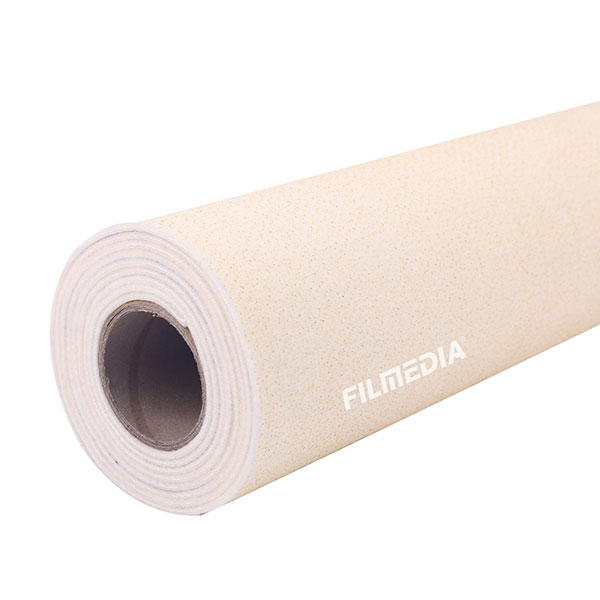
Acrylic Needle Punched Felt
(Working Temperature: ≤130℃)
Acrylic needle felt is a kind of fine fiber fabric using non-woven needle punching technology. The acrylic fibers are arranged in a staggered manner, the gaps are evenly distributed and large, the air permeability is good, and the chemical resistance is stable.
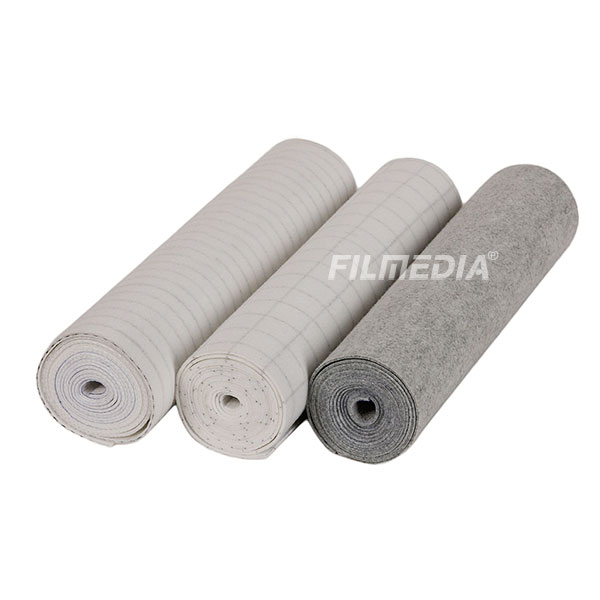
Polyester Needle Punched Felt
(Working Temperature: ≤130℃)
The filter material has the advantages of high strength, good elasticity, dimensional stability, good wear resistance, large void ratio, good air permeability, long service life, good dust removal effect, etc. It has good mechanical properties, acidity resistance, and alkali resistance at room temperature. temperature and durability.
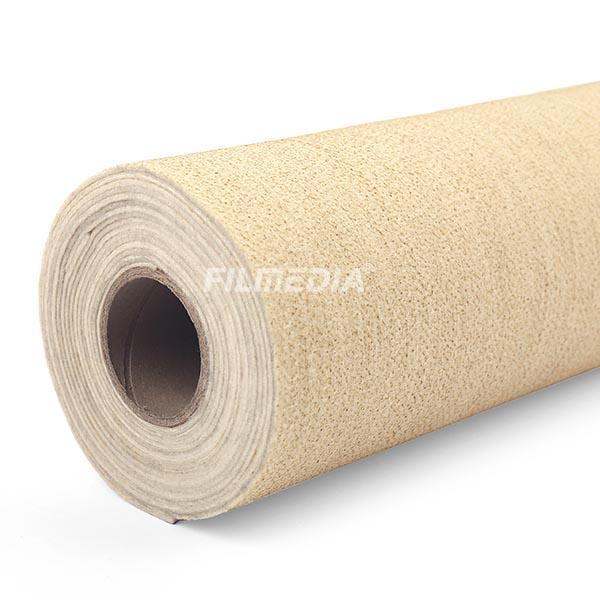
Aramid Needle Punched Felt
(Working Temperature: ≤200℃)
Aramid (poly-p-phenylene terephthalamide) fiber is a new type of high-tech synthetic fiber with excellent properties such as ultra-high strength, high modulus, high temperature resistance, acid and alkali resistance, and light weight.
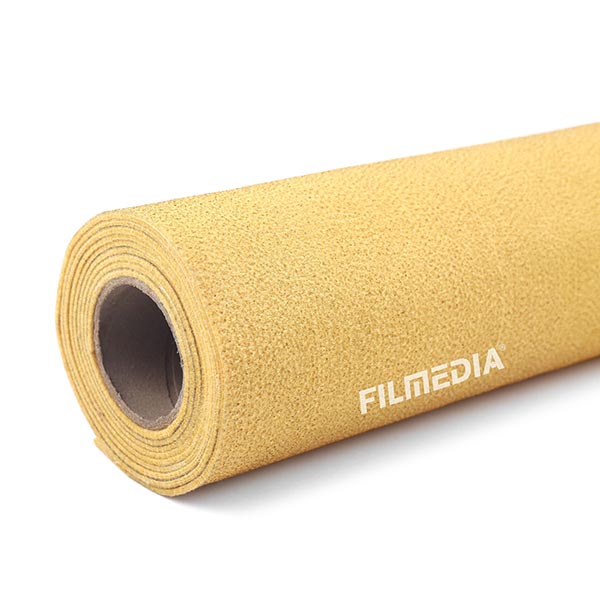
P84 Needle Felt
(Working Temperature: ≤240℃)
P84 needle punched felt is one of the most common materials used to make filter bags. And has high temperature resistance, good corrosion resistance and acid resistance. P84 needle felt provides a unique and cost-effective solution for many demanding industrial baghouse applications.
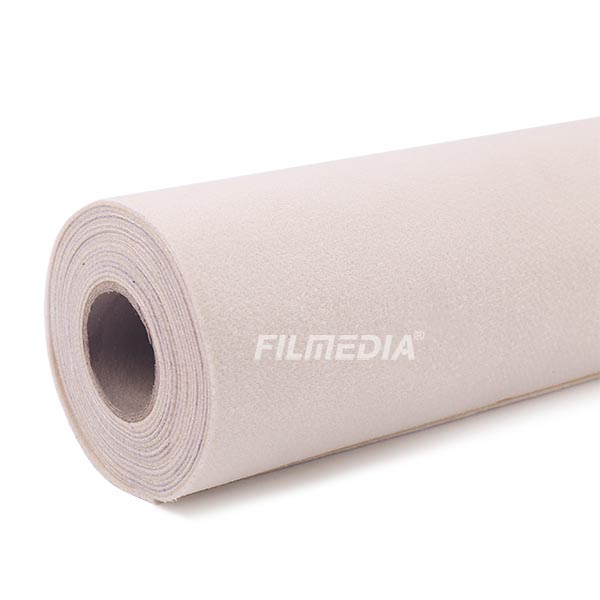
PPS(Ryton) Needle Felt
(Working Temperature: ≤190℃)
PPS is a special synthetic polymer that can maintain stability under high temperature and chemical corrosion conditions, so it is often used in flue gas purification and high temperature gas filtration in industrial fields.
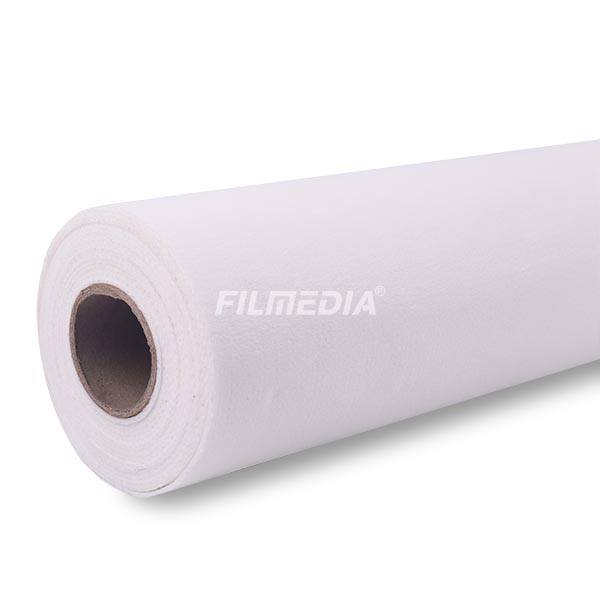
PTFE Needle Felt
(Working Temperature: ≤250℃)
PTFE (Polytetrafluoroethylene) filter felt is a polymer material with excellent chemical resistance, high temperature resistance and low friction coefficient. It is used in many industrial applications requiring high temperature, corrosive gas or liquid filtration. It is one of the most common materials used to make filter bags.
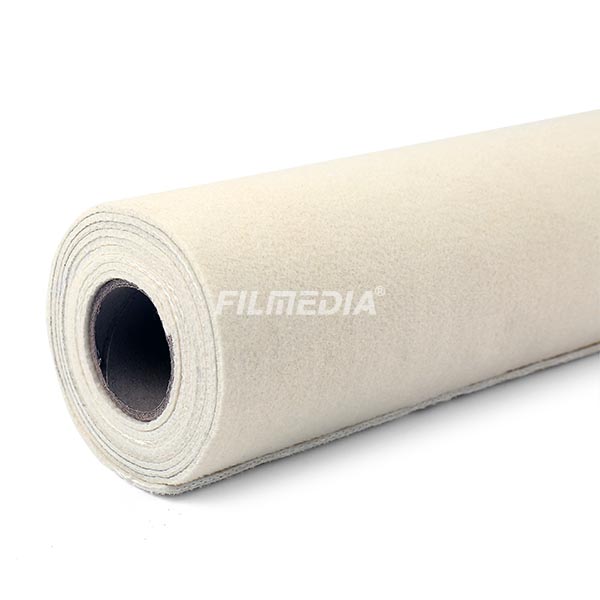
Fiberglass Needle Felt
(Working Temperature: ≤230℃)
Fiberglass needle felt has the characteristics of dimensional stability, high tensile strength at break, corrosion resistance, smooth surface, good water repellency, good air permeability, easy cleaning, and good chemical stability.
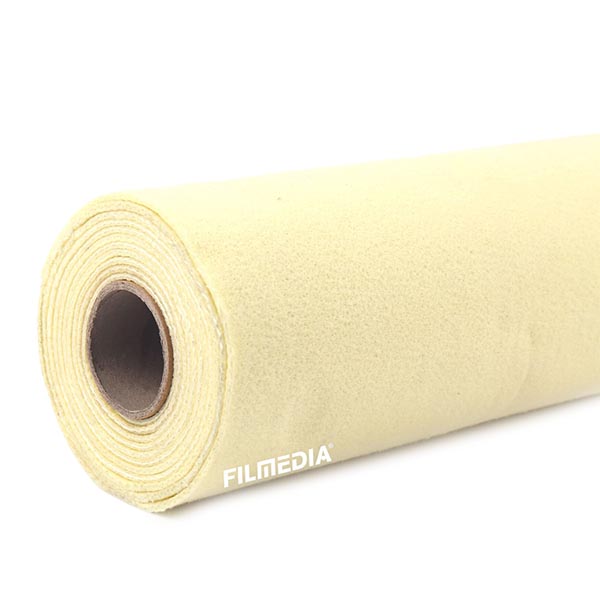
FMS Needle Felt
(Working Temperature: ≤240℃)
FMS needle felt has the characteristics of high strength, acid and alkali corrosion resistance, wear resistance, and bending resistance. After different surface chemical treatments and post-finishing technologies, it also has the functions of easy dust removal, water and oil repellency, it is dimensionally stable, high strength and cheaper than other chemical fibers.
Application Industry
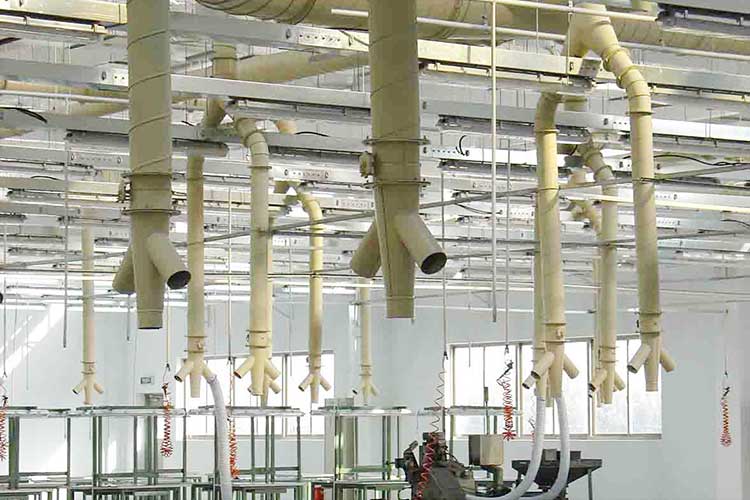
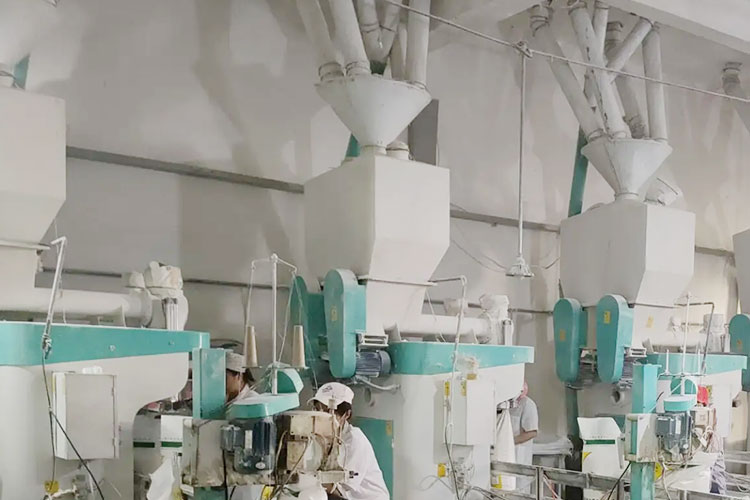
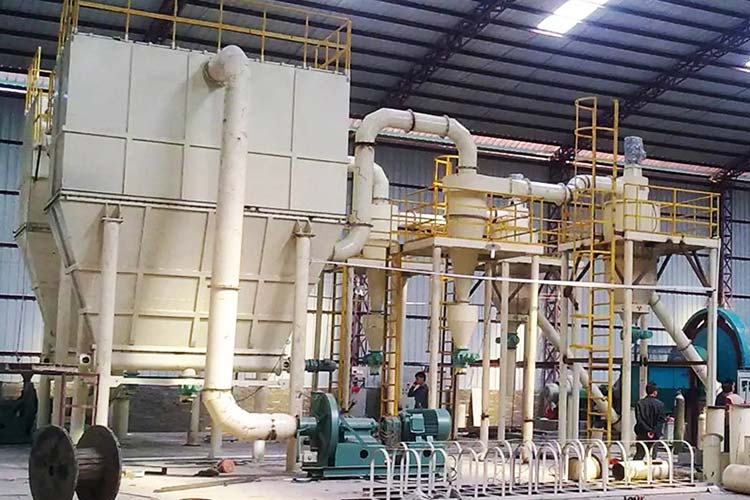
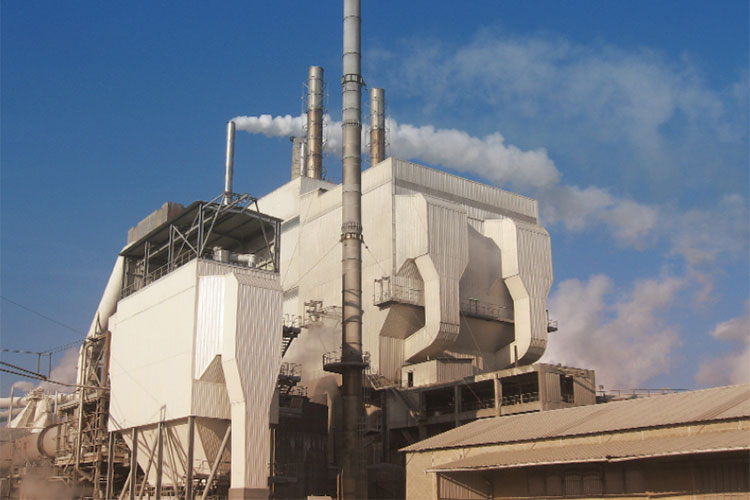
Needle Punched Felt Filter fabric are widely used in various industrial and commercial areas to provide reliable filtration solutions.
- Air filtration: Used in air filtration systems, such as industrial flue gas purification, air purifiers, etc., to effectively remove particles and pollutants in the air.
- Liquid filtration: Used in liquid filtration systems, including industrial wastewater treatment, water treatment, oil-water separation, etc., to filter impurities and particles in liquids.
- Automobile industry: Used for air filtration and wastewater treatment in spray painting, coating and other processes in automobile manufacturing.
- Construction industry: Used for dust filtration in the production process of building materials, such as asbestos, cement and other materials.
- Food and Beverage Industry: Used for liquid filtration in food and beverage processing to ensure product hygiene and safety.
Surface Treatment Technologies
To improve filtration efficiency, dimensional stability, and service life, industrial needle felt is typically subjected to several post-treatment processes. These surface treatments enhance dust release, emission control, and resistance to harsh operating conditions.
☑ Heat Setting
Heat setting is a thermal stabilization process performed under controlled temperature and tension.
- Improve dimensional stability.
- Reduce shrinkage at high temperatures.
- Enhance mechanical strength.
- Maintain stable pore structure.
☑ Calendering
Calendering is a mechanical finishing process in which the fabric surface is pressed between heated rollers.
- Smooth the surface.
- Reduce surface fiber fuzz.
- Control pore size distribution.
☑ Singeing
Singeing involves briefly exposing the fabric surface to a controlled flame or high-temperature source.
- Remove loose surface fibers.
- Prevent fiber shedding.
- Improve surface smoothness.
☑ PTFE Membrane Lamination
PTFE membrane lamination involves bonding a microporous PTFE membrane to the surface of the needle felt.
- Achieve surface filtration instead of depth filtration
- Improve particle capture efficiency
- Reduce dust penetration
☑ Water & Oil Repellent Treatment
This chemical finishing process applies hydrophobic and oleophobic agents to the fiber surface.
- Prevent moisture absorption.
- Avoid mudding and clogging.
- Reduce hydrolysis risk.
☑ Anti-Static Treatment
Antistatic properties can be achieved by incorporating conductive fibers or coating with a conductive chemical coating.
- Prevent static charge accumulation.
- Reduce spark risk.
- Improve operational safety.