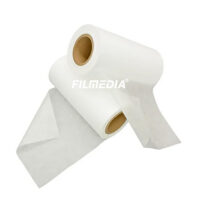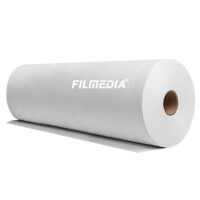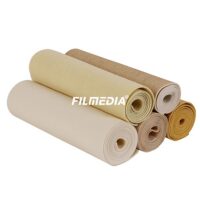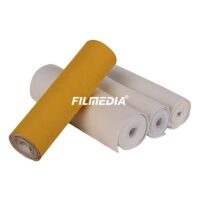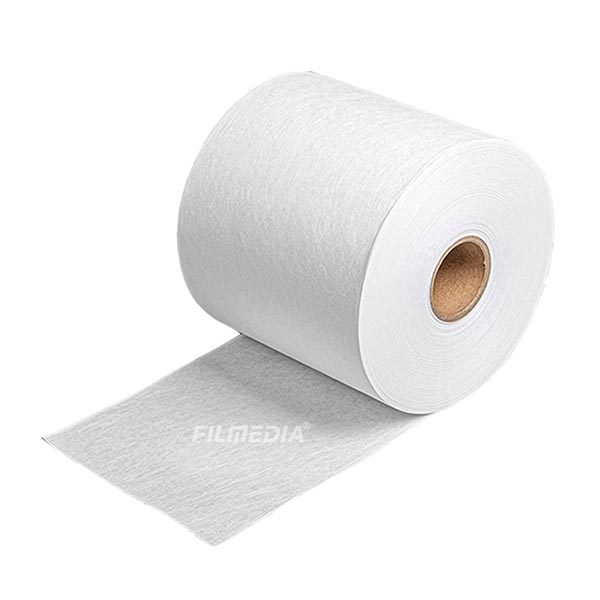
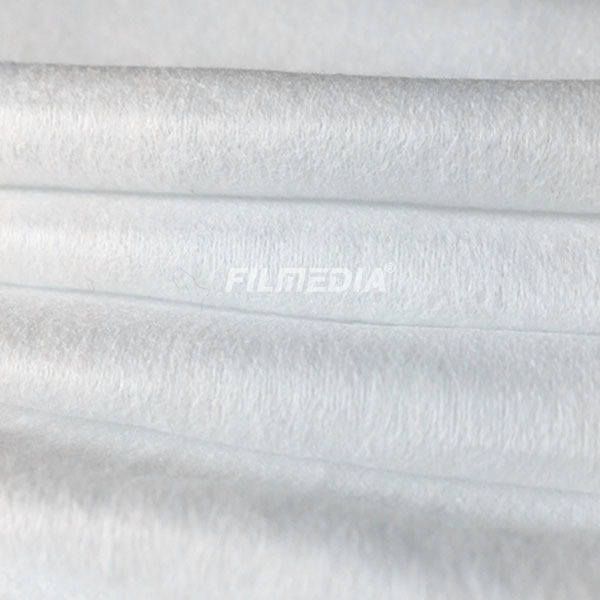
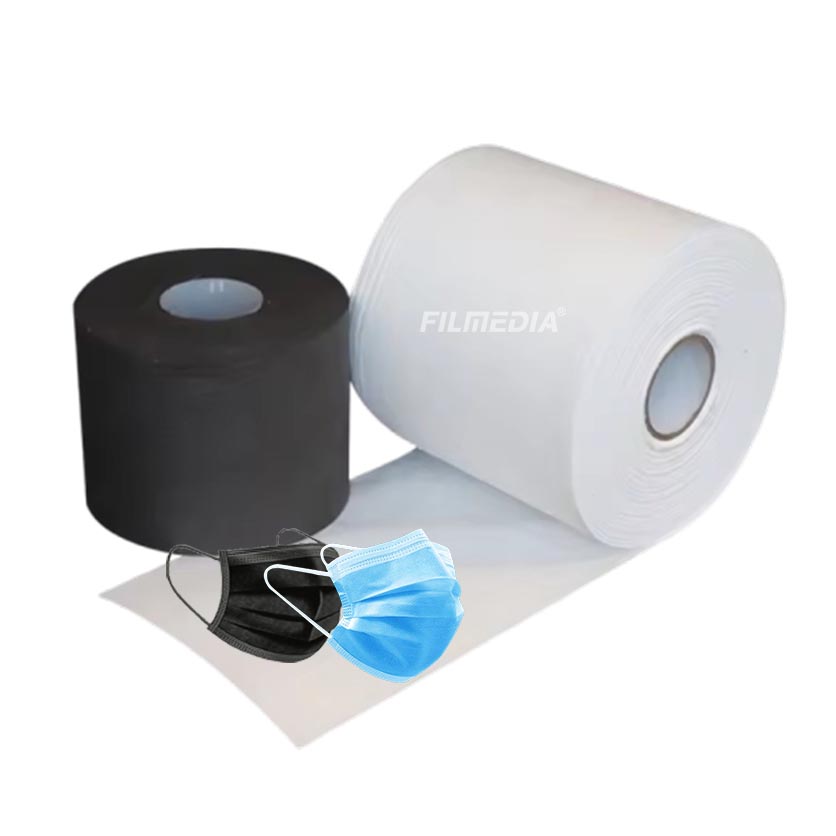
Polypropylene meltblown nonwoven fabric is the most commonly used high-efficiency filter media material in air filtration applications. It can be compounded with other types of nonwoven products and is suitable for various air purification products. Our polypropylene meltblown nonwoven fabric can meet the requirements of different standards such as NOish N series and EN 149 series.
- High filtration efficiency
- Low pressure drop
- Lightweight
- Soft and flexible
- Chemical resistance
Description
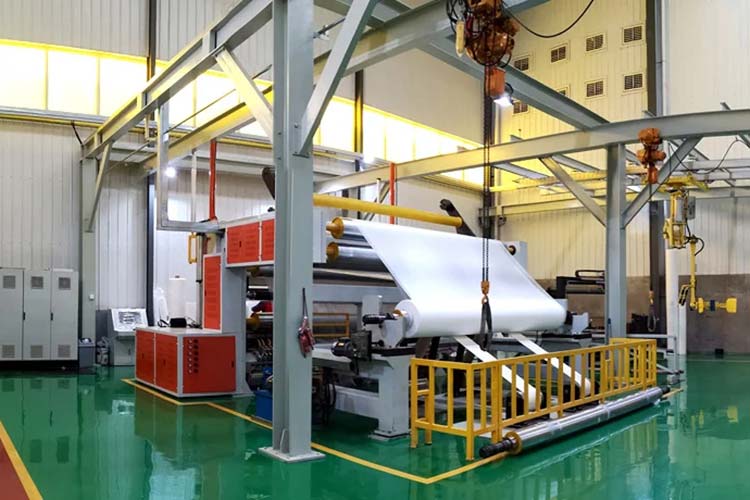
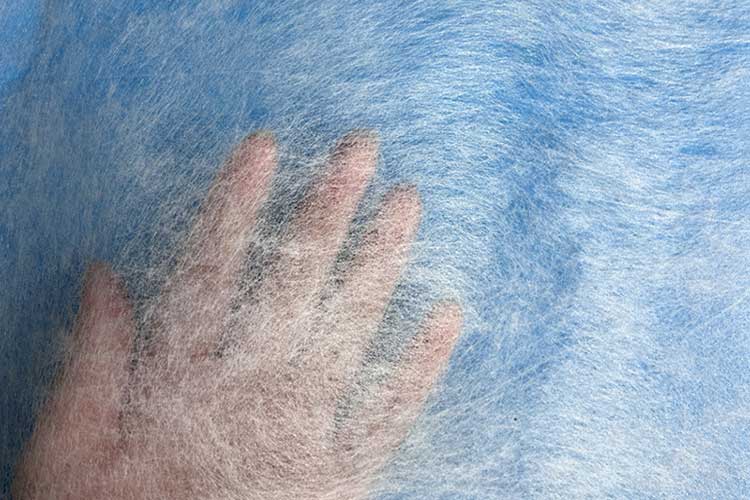
Meltblown nonwoven filter fabric is a type of nonwoven material made from thermoplastic polymer fibers. They are produced by melting the polymer and extruding it through small nozzles to form a web of very fine fibers. These fibers are then laid down in a random pattern and bonded together using a combination of heat, pressure, or chemical treatments. Meltblown nonwovens are prized for their ability to filter tiny particles and adsorb pollutants because their fibers have very small diameters (typically in the 0.5 to 10 micron range), resulting in a high surface area to volume ratio.
Type of Meltblown Nonwoven Fabric
Meltblown nonwoven fabrics come in different types, each with different properties and applications. Some of the most common types include:
- Standard Meltblown Fabric
This fabric has a wide range of uses, including air and liquid filtration, medical masks and protective clothing, and industrial wipes. It offers high filtration efficiency, typically ranging from 70-95% for particles as small as 0.3 microns.
- Oil-Absorbent Meltblown Fabric
This fabric is designed to absorb oil and other hydrocarbons, aiding in the cleanup of oil spills and other environmental disasters.
- Electret Meltblown Fabric
This fabric is electrostatically treated to improve filtration efficiency. It is commonly used in air filtration systems, such as HVAC systems, to capture small particles and contaminants.
- Laminated Meltblown Fabric
This fabric is made by laminating two or more layers of meltblown fabric with other materials, such as spunbond nonwovens or other types of fibers, to enhance its strength and durability. It is commonly used in the production of medical and surgical gowns, surgical drapes, and other protective clothing.
- Nanofiber Meltblown Fabric
This fabric is made from nanofibers, which are ultra-fine fibers with a diameter of less than 100 nanometers. Nanofiber meltblown fabric offers higher filtration efficiency than standard meltblown fabric and is suitable for high-performance air and liquid filtration systems.
Specification of Polypropylene Meltblown Nonwoven Filter Fabric
|
Material
|
100% Polypropylene
|
|
Technology
|
Meltblown
|
|
Weight
|
9-100gsm
|
|
Pattern
|
Plain
|
|
Width
|
20mm-3200mm
|
|
Color
|
White, black
|
|
Grade
|
Kf94, BFE95, BFE99, N95, FFP1, FFP2, and FFP3.
|
Applications of Polypropylene Meltblown Nonwoven Filter Fabric
They are suitable for a wide range of applications, such as air and liquid filtration, medical masks and protective clothing, industrial wipes, and insulation.
- Air Filtration
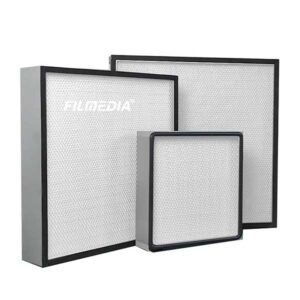
Meltblown nonwovens are commonly used as filter media in air filtration systems, such as HVAC filters, vacuum cleaner bags, and face masks. Their high filtration efficiency and low pressure drop make them ideal for capturing small particles and pollutants in the air.
- Liquid Filtration
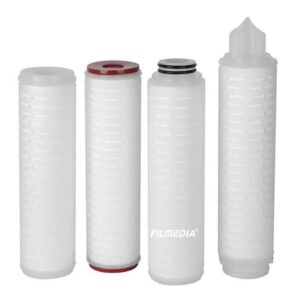
Meltblown nonwovens are also used in liquid filtration applications, including water and oil filtration. Their high surface area to volume ratio and ability to capture small particles make them an effective material for removing contaminants from liquids.
- Medical Supplies
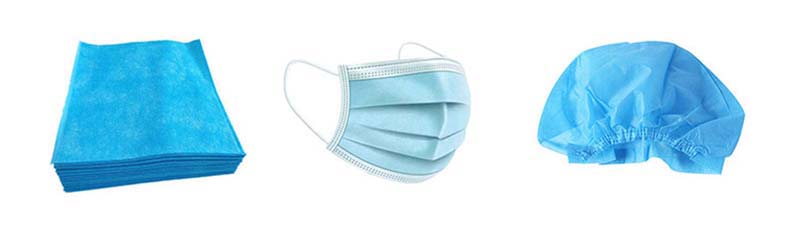
Meltblown nonwovens are used in a variety of medical supplies, including surgical masks, medical gowns, and medical wipes. Their high filtration efficiency and ability to block liquids make them an effective barrier against pathogens and other contaminants.
- Insulation
Meltblown nonwovens are used in insulation applications, including building insulation and soundproofing. Their fine fibers and high surface area to volume ratio make them effective thermal insulators and sound absorbers.
- Packaging
Meltblown nonwovens are used in packaging applications, including food packaging and protective packaging for fragile items. Their strength, durability, and ability to block liquids make them an effective barrier against moisture and other contaminants.
- Automotive Industry
Meltblown nonwovens are used in automotive production for a variety of applications, including oil and air filters, sound insulation, and thermal insulation. Their ability to withstand high temperatures and harsh environments makes them an ideal material for these applications.
Choose Filmmedia®
Filmedia® polypropylene meltblown nonwoven fabric utilizes unique electrostatic charging technology, achieving a filtration efficiency of up to 99.995%, making it the preferred choice for residential air filtration.