
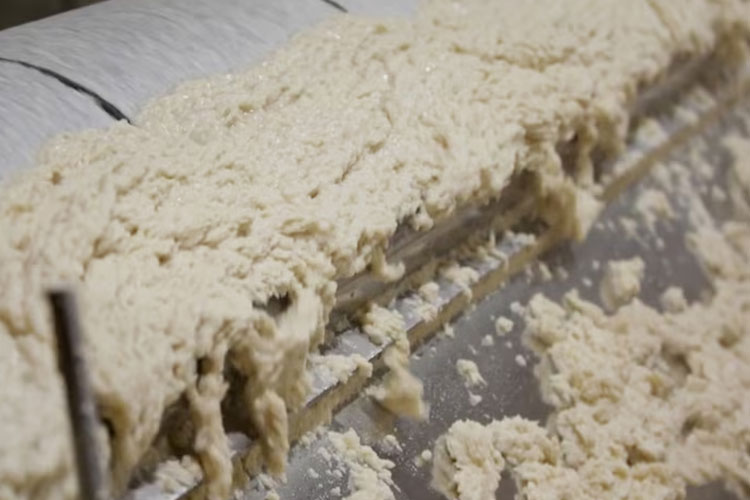
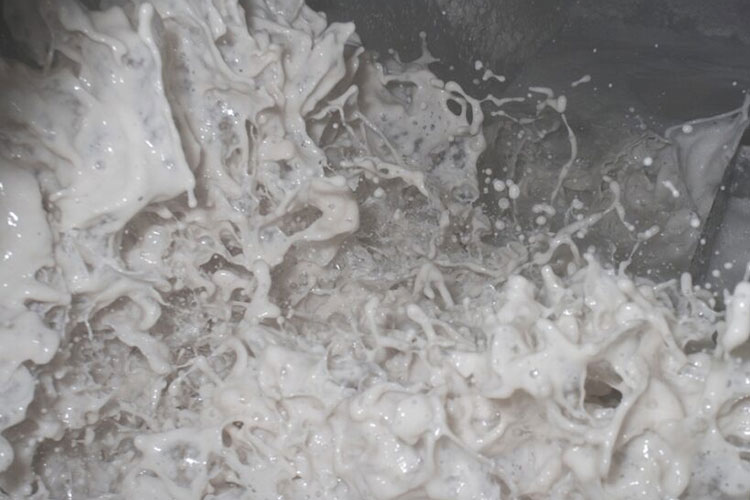
Filter bags play a crucial role in the paper manufacturing industry. They are widely used in pulp filtration and finished paper purification processes. Throughout the papermaking process, the quality of pulp directly determines the strength, uniformity, and surface quality of the final paper, and an efficient and stable filtration system is one of the key factors in ensuring pulp quality.
During pulp preparation, raw materials such as wood pulp or recycled paper pulp undergo pulping, screening, and chemical treatment, forming a suspension containing a large amount of fibers, water, and a small quantity of impurities. These impurities may include undecomposed fibers, sand particles, colloids, ink residues, and fine solids. If not effectively removed, they can negatively affect paper quality and may even cause equipment wear, clogging, or production interruptions. Therefore, efficient filtration is an essential step in the process.
Filter bags play an important role at this stage. With their specific fiber structure and pore size design, they can effectively retain impurities of different particle sizes while maintaining a high flow rate, achieving stable solid-liquid separation. At the same time, fibers in the pulp tend to form a “fiber precoat” layer on the surface of the filter bag, which further enhances filtration efficiency and precision. This self-enhancing filtration characteristic gives filter bags a unique advantage in pulp filtration applications.
Recommended Filter Bag Types
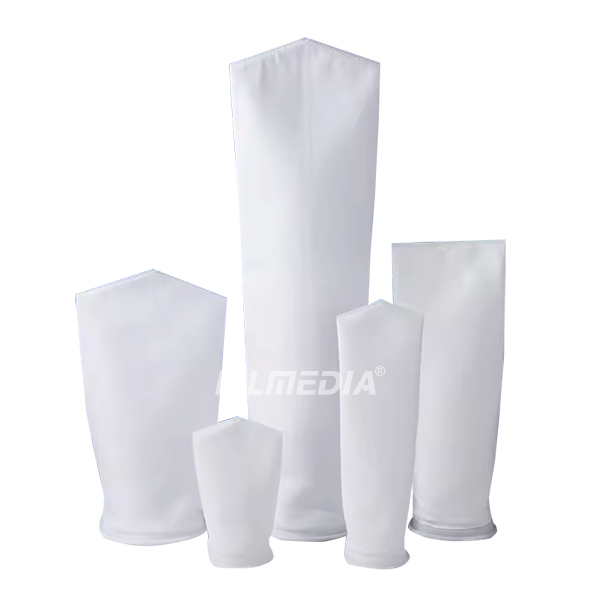
PP (Polypropylene) Filter Bags
PP filter bags are among the most widely used options in pulp filtration. They offer excellent resistance to acids and alkalis, as well as strong chemical stability. The material does not easily react with chemicals present in the pulp, making it suitable for most standard filtration conditions.
In addition, PP filter bags are lightweight, cost-effective, and flexible in processing. They are especially suitable for high-flow, continuous papermaking production lines. They also perform well in recycled pulp processing and white water recovery systems.
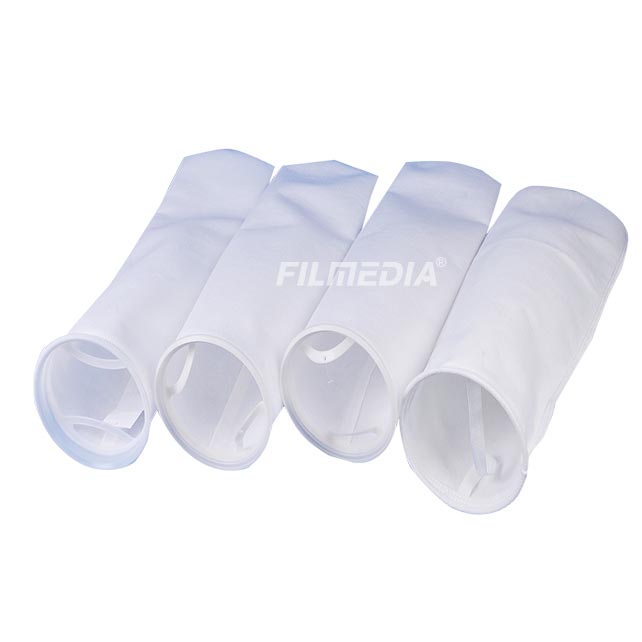
PTFE Filter Bags
PTFE (Polytetrafluoroethylene) filter bags are known for their outstanding corrosion resistance and exceptional chemical inertness. They can operate stably for long periods under harsh conditions such as strong acids, strong alkalis, and high temperatures.
In pulp preparation, various chemical additives such as bleaching agents and dispersants are often used to adjust pH levels and improve pulp performance. These chemicals can degrade ordinary filter materials. PTFE filter bags effectively resist such chemical corrosion, ensuring a stable filtration process. They are especially suitable for high-end paper production or complex chemical pulping systems.
Moreover, their non-stick surface helps reduce clogging and extends service life.
Filmedia® Customizable Solutions
- Customizable Structure: Supports different sizes, precision levels, and installation methods.
- Compatible with Automation Systems: Facilitates integration with modern papermaking equipment.
- High-Throughput Design: Adapts to high-concentration, high-flow-rate pulp conditions.
- Excellent Abrasion Resistance: Withstands long-term fiber erosion.
- Strong Anti-Clogging Capability: Extends replacement cycles and reduces maintenance costs.