
How Aluminum Plants Can Achieve Efficient Dust Control
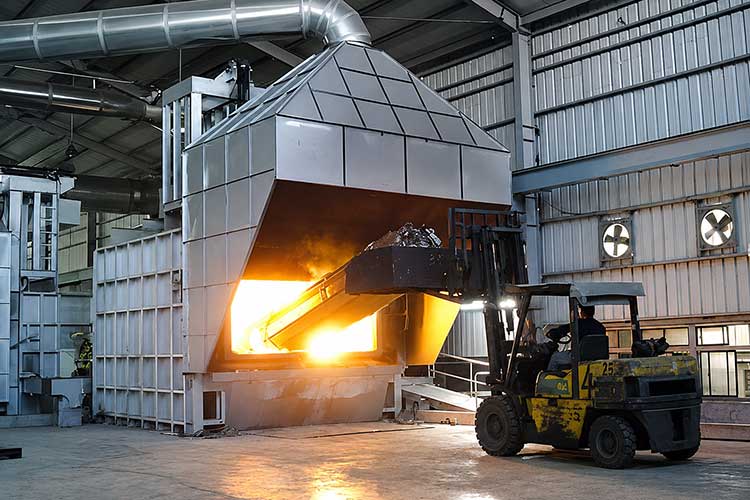
During aluminum production, a large amount of high-temperature, dust-laden waste gas is continuously generated. This dust not only affects equipment operating efficiency but also impacts the workshop environment, employee health, and atmospheric emissions. Baghouse dust collection systems, with their high filtration efficiency, stable operating performance, and high dust recovery rate, have become one of the most important environmental protection devices in modern aluminum smelters.
In the modern aluminum smelting and processing industry, high yield, low energy consumption, and stable environmental emissions have become crucial components of a company’s core competitiveness. With increasingly stringent environmental regulations, the efficient handling of high-temperature fumes, fine dust, and harmful gases generated during molten metal production has become a key issue for the sustainable development of the aluminum industry.
High-performance Filter Bags Improve Dust Removal Efficiency
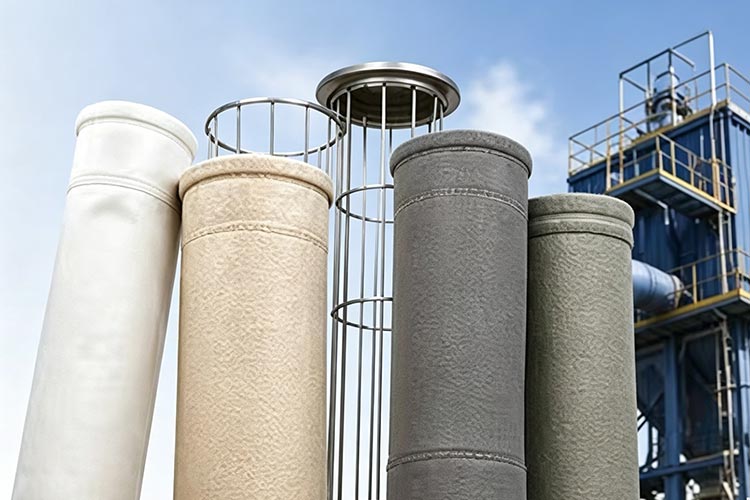
High-performance industrial filter bags, as the core component of baghouse dust collectors, directly determine the filtration efficiency, operational stability, and equipment lifespan of the dust collection system. For the complex high-temperature, high-corrosion, high-humidity, and high-dust-concentration conditions in the aluminum smelting industry, specialized filter bag solutions can effectively improve dust collection efficiency, reduce operating resistance, and enable the reuse of recyclable powder.
In Which Processes of Aluminum Smelting are Dust Collection Filter Bags Used?
During aluminum electrolysis production, anode roasting releases large amounts of fluorine-containing fumes, pitch fumes, and high-temperature dust. Since the flue gas typically contains corrosive gases such as HF and SO₂, the dust collector filter bags not only need excellent filtration performance but also strong resistance to acids, alkalis, and oxidation.
The aluminum molten metal smelting process generates a large amount of alumina dust, combustion particles, and high-temperature flue gas. Due to the large temperature fluctuations in the smelting furnace, the filter bags need stable heat resistance and excellent mechanical strength to ensure long-term operational stability.
During aluminum molten metal refining, degassing agents and refining agents generate large amounts of ultrafine particles and corrosive gases. These dust particles are fine in size and highly adhesive, placing higher demands on the filter material structure and surface treatment process.
The aluminum ash recycling process generates a large amount of fine metal particles and high-concentration dust. Baghouse dust collection systems not only perform environmental protection functions but are also an important component of metal resource recycling.
In casting and hot rolling processes, the production environment is typically accompanied by oil mist, lubricant volatiles, and metal dust. These conditions place high demands on the filter bags’ oil resistance, anti-adhesion properties, and long-term stable operation capabilities.
Technical Standards for Filter Bag Materials
| Technical Parameter | Technical Requirement | Recommended Material / Process | Main Advantages | Suitable Applications |
|---|---|---|---|---|
| Temperature Resistance | Aluminum smelting flue gas temperatures typically fluctuate between 80°C–260°C | PPS (Polyphenylene Sulfide) needle felt filter media | Continuous operating temperature up to 190°C; instantaneous temperature resistance up to 240°C; excellent thermal stability; suitable for high-temperature gas filtration | Electrolytic aluminum workshops, melting furnaces, holding furnaces |
| Corrosion Resistance | Suitable for environments containing HF, SO₂, and other acidic gases; compliant with ISO 6988 corrosion resistance standards | PTFE impregnated filter media; PTFE membrane laminated composite filter media | Excellent acid and alkali resistance; strong oxidation resistance; superior hydrolysis resistance; long-term chemical stability | Anode baking flue gas, refining furnace exhaust systems, fluoride-containing gas treatment |
| Filtration Efficiency | Equivalent pore size requirement ≤ 1μm | PTFE membrane filter media | High-efficiency surface filtration; improved fine dust collection efficiency; more stable cleaning performance; pressure drop increase reduced by approximately 40%; extended filter bag service life | Ultra-low emission dust collection systems, alumina powder recovery |
| Mechanical Strength | Warp tensile strength ≥ 2000N/5cm; weft tensile strength ≥ 1500N/5cm | High-strength needle felt structure filter media | Excellent dimensional stability; outstanding fatigue resistance; suitable for long-term pulse jet cleaning operation | High-pressure pulse jet dust collectors, high dust concentration conditions |
| Thermal Stability | Resistant to shrinkage and deformation during long-term high-temperature operation | PPS and fiberglass composite filter media | Maintains filter bag structural stability; reduces high-temperature aging risk; improves operational reliability | High-temperature melting furnaces, molten aluminum processing systems |
| Cleaning Performance | Low resistance operation and stable pressure drop control | PTFE membrane lamination technology | Prevents dust penetration into the filter media; high cleaning efficiency; reduced energy consumption and maintenance frequency | High-frequency pulse cleaning systems |
| Service Life | Designed for long-term continuous industrial operation | PTFE composite filter media, high-density needle felt | Improved abrasion resistance; extended replacement intervals; reduced operating costs | Continuous production lines in large aluminum smelters |
| Environmental Emission Performance | Meets ultra-low emission requirements | Membrane laminated ultra-fine fiber filter media | Emission concentration can be stably controlled below 10mg/m³; improved particulate collection efficiency | Ultra-low emission environmental protection systems |
Common Filter Bag Materials for Dust Removal Systems in Aluminum Smelting
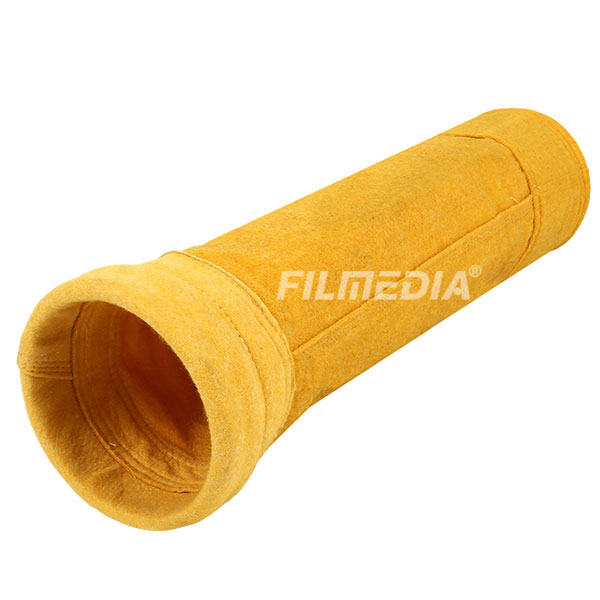
P84 Filter Bags
They are resistant to high temperatures, have good corrosion resistance, and are acid resistant. Under the condition of 240℃, the mechanical properties of P84 polyimide fiber filter material will not change, and the maximum temperature resistance can reach 260℃.
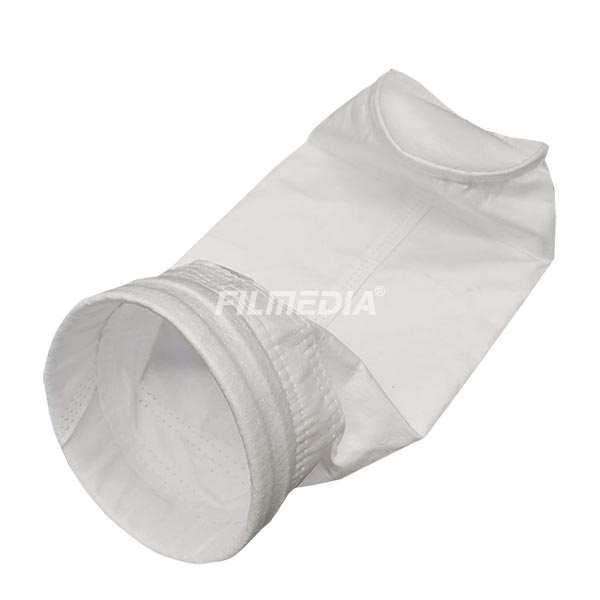
PTFE Filter Bags
PTFE (polytetrafluoroethylene), also known as Teflon, is a polymer material with excellent properties. This material is resistant to acids, alkalis, and various organic solvents, and is almost insoluble in all solvents. It is also resistant to high temperatures and has an extremely low friction coefficient.
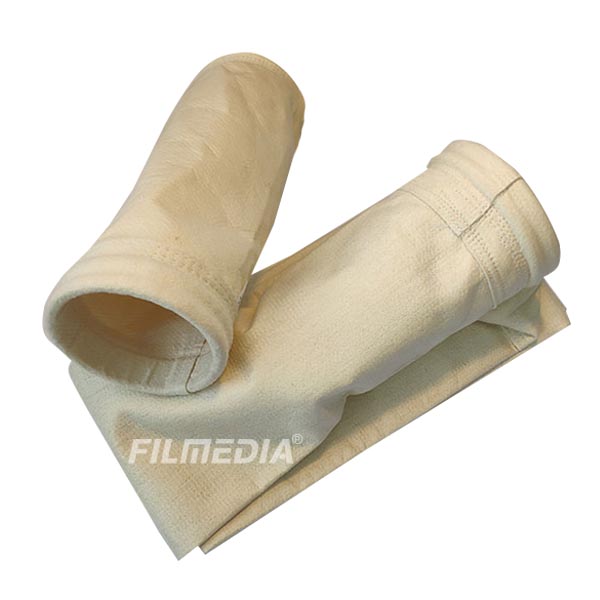
PPS Filter Bags
It is a new type of thermoplastic resin material, which has the advantages of high mechanical strength, high temperature resistance, chemical resistance, non-combustibility, good thermal stability, and good electrical properties.
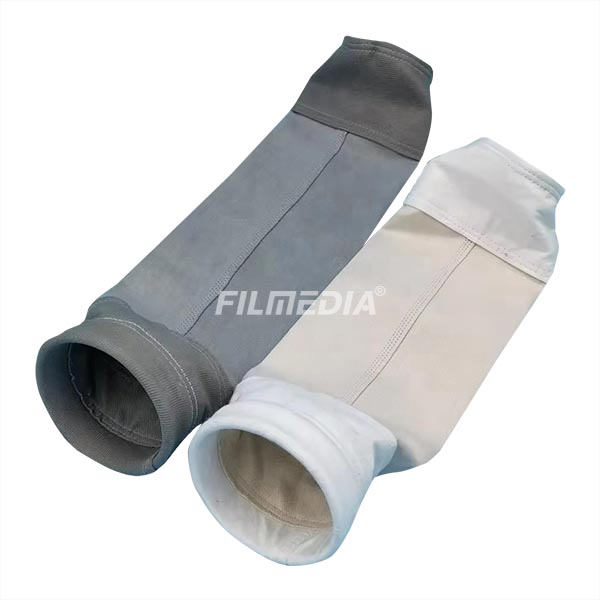
Fiberglass Filter Bags
The most advantages of fiberglass is high temperature resistance, good dimensional stability, and high tensile breaking strength. In terms of chemical corrosion resistance, glass fiber is stable to other media except hydrofluoric acid and high temperature and strong alkali.
Choose Filmedia® Dust Filtration Solutions
Filmedia® provides leading dust collection technology solutions for the aluminum industry, meeting all your air filtration needs.
- Highly efficient capture of fine dust particles.
- Emission concentration can be stably controlled below 10mg/m³.
- Suitable for complex operating conditions with high temperature and high corrosion.
- Supports continuous and stable operation.
- Enables alumina powder resource recovery.
- Reduces raw material loss and operating costs.