

Dust Collector Filter Bags/Sleeves
- High-efficiency filter media
- Customized accessories
- Diverse applications
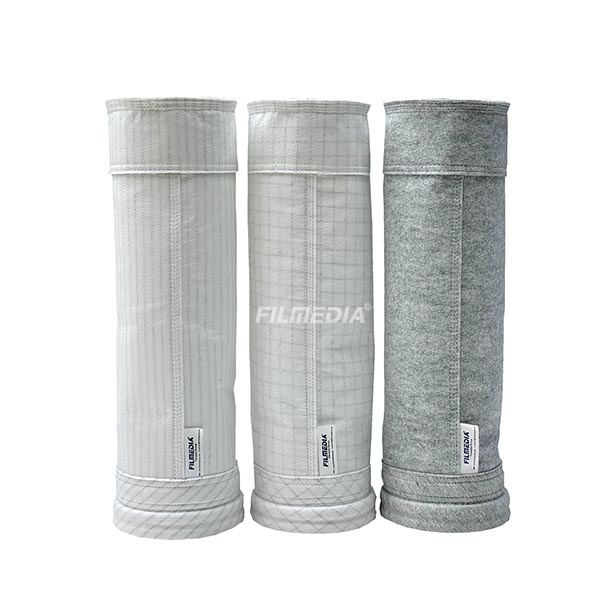
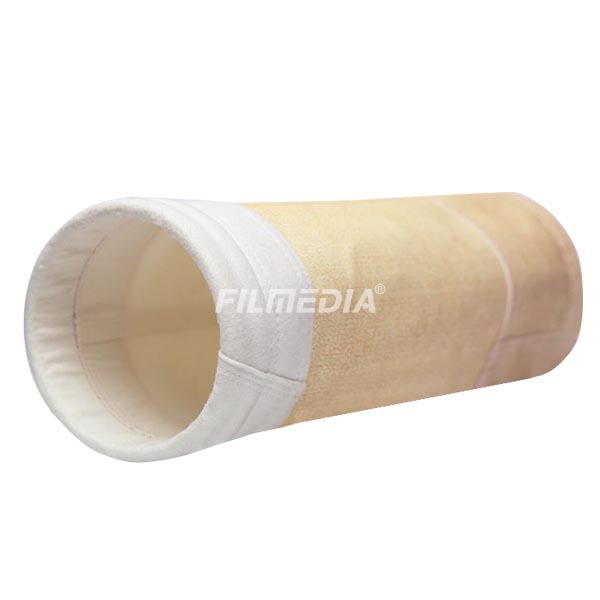
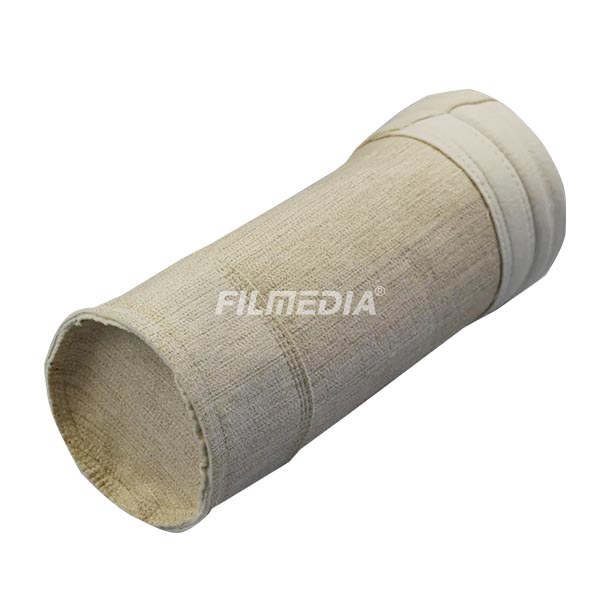
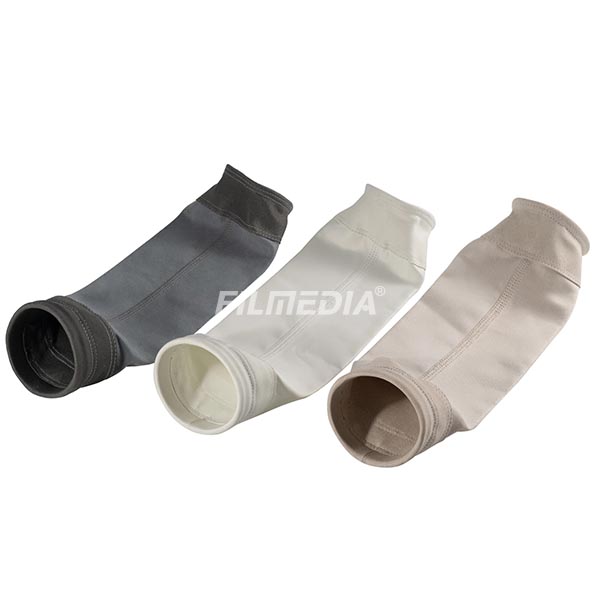
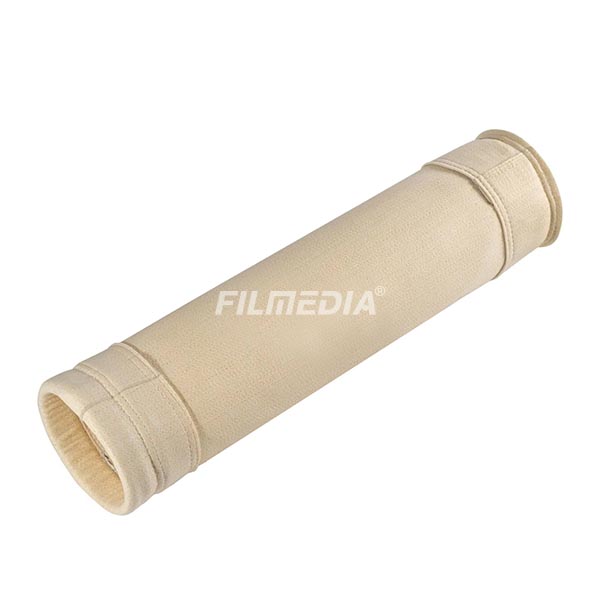
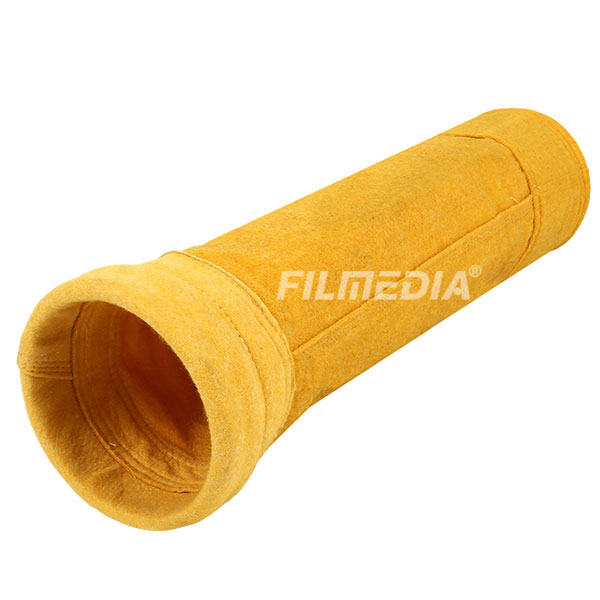
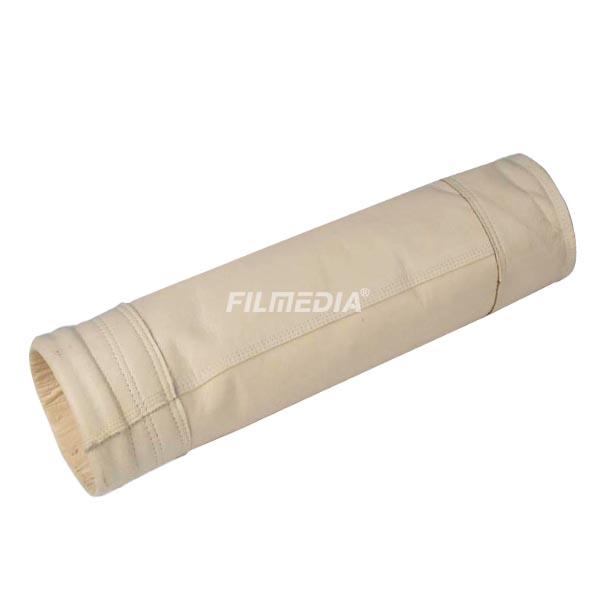
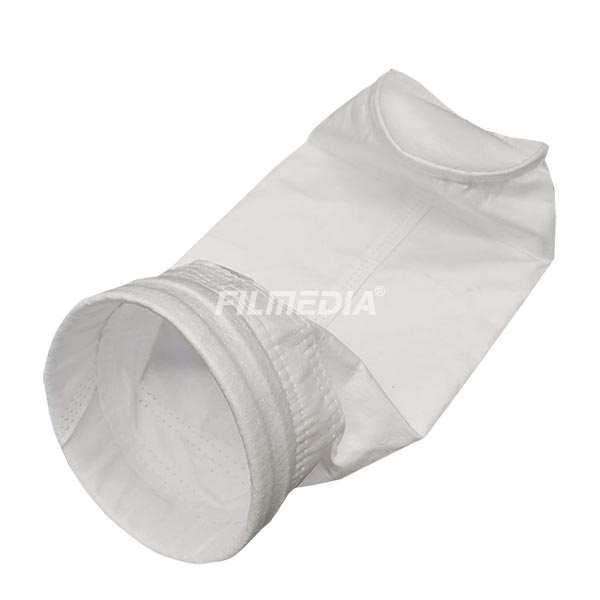
Dust collector filter bags/sleeves are core filter elements in industrial dust removal equipment. They capture particulate matter from dust-laden airstreams through interception, inertial impaction, and diffusion, and are widely used in high-dust environments. Filmedia® can customize highly adaptable filter bags based on the customer’s dust characteristics (particle size, humidity, temperature, corrosiveness), equipment type, and cleaning method, ensuring long-term, stable operation.
Filmedia® – Expert in high-efficiency filtration solutions
As a professional industrial filter bag manufacturer in China, Filmedia® provides customized dust collector filter bags for global industrial customers, relying on high-quality filter material selection, advanced production processes, and professional filter bag manufacturing equipment. Helping companies achieve efficient purification, compliant emissions, and improved production quality.
- Enhanced performance and service life: Experience superior dust filtration with our advanced filter bags, designed to extend the life and efficiency of your filtration system.
- Multiple filter media options: We offer you a wide range of filter media to customize your filtration solution, each designed to meet specific operational needs and increase efficiency.
- Effective filtration for all conditions: Whether dealing with abrasive, corrosive, hot or explosive dusts, our filter bags ensure optimal performance and safety.
- Focus on demanding industries: We focus on industries that require stringent filtration, and our products are designed to meet the highest demands and challenges.
Materials & Properties of Dust Collector Filter Bags/Sleeves
Filmedia® provides customized filter media in various categories, precisely matching the dust characteristics and working conditions of different industries.
| Material | Working Temperature | Instant Temperature | Abrasion Resistance | Hydrolysis Resistance | Acid Resistance | Alkali Resistance | Oxidation Resistance |
| Polyprolene Needle Felt | 90℃ | 110℃ | Good | Excellent | Excellent | Excellent | Middle |
| Acrylic Needle Felt | 120℃ | 130℃ | Middle | Good | Good | Middle | Good |
| Polyester Needle Felt | 130℃ | 150℃ | Excellent | Poor | Middle | Fair | Good |
| PPS Needle Felt | 180℃ | 200℃ | Good | Excellent | Excellent | Excellent | Fair |
| Aramid Needle Felt | 204℃ | 220℃ | Good | Middle | Middle | Good | Middle |
| P84 Needle Felt | 240℃ | 260℃ | Good | Middle | Middle | Middle | Good |
| PTFE Needle felt | 250℃ | 280℃ | Good | Excellent | Excellent | Excellent | Excellent |
| Fiberglass Needle Felt | 250℃ | 280℃ | Fair | Good | Middle | Fair | Good |
| Woven Fiberglass Filter Cloth | 260℃ | 280℃ | Good | Good | Good | Good | Good |
Learn About Filmedia® Dust Collector Filter Bags
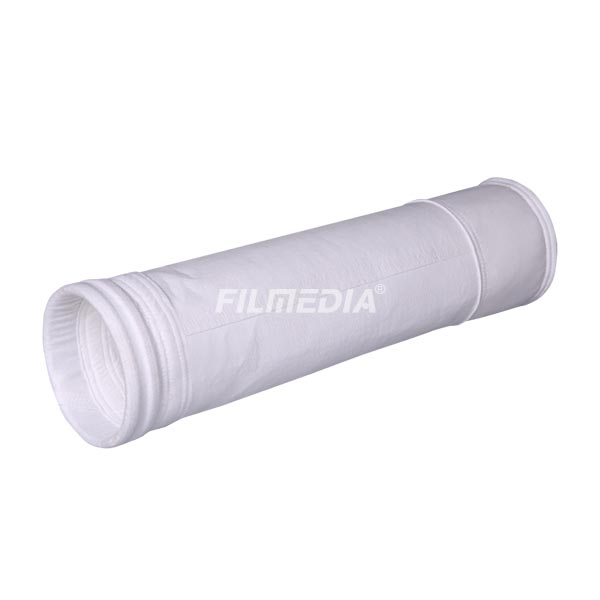

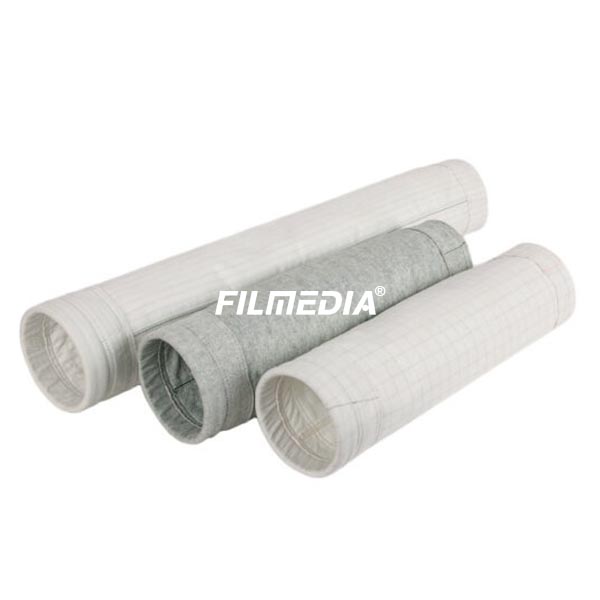
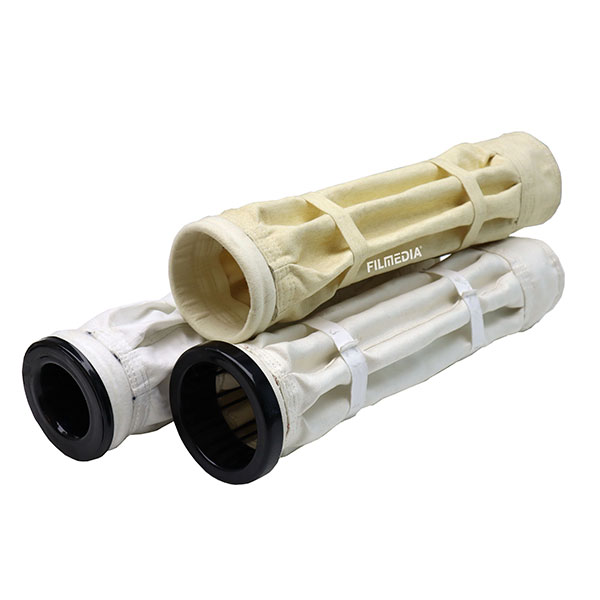
Accessories for Dust Collector Filter Bags/Sleeves
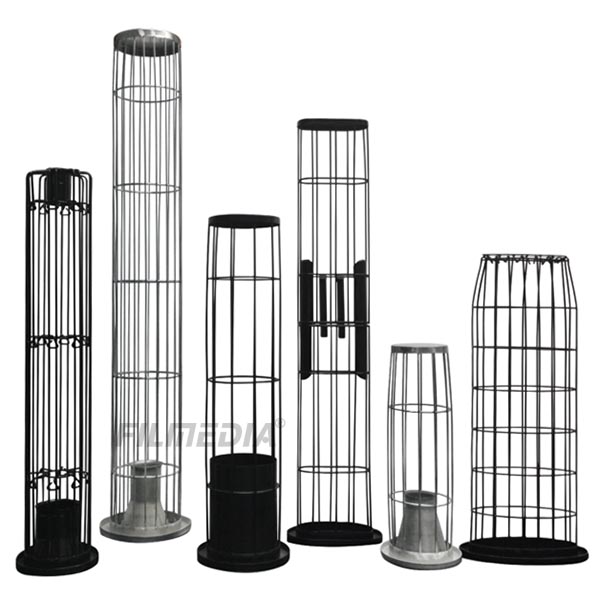
Bag Cage
Also known as the filter bag framework, it is the supporting structure of the filter bag, equivalent to the “skeleton” of the filter bag. It is usually made of high-quality low-carbon steel Q235 or 20# wire, stainless steel wire, etc., and comes in various shapes such as round, trapezoidal, and elliptical. The surface can be treated by galvanizing, plastic spraying, organic silicon spraying, etc. to enhance corrosion resistance.

Filter Bag Fixture
It is used to fix the filter bag in a specific position in the filter bag housing to prevent the filter bag from moving or loosening during operation, thereby ensuring the stability of the filtering effect. The fixture is generally made of metal materials, with sufficient strength and corrosion resistance, which can firmly fix the filter bag and provide a good sealing performance.
Baghouse Dust Collector Systems
Efficient dust control, compatible with multiple cleaning systems

Pulse Jet Dust Collector
Pulse jet is the current mainstream dust cleaning method (e.g., pulse jet bag filters). It works by applying a brief (0.1-0.2 second) pulse of compressed air to the inside of the filter bag, creating a high-pressure airflow that impacts the inside of the filter bag, causing it to rapidly expand and vibrate, breaking off any dust cake adhering to the surface.

Reverse Air Dust Collectors
Reverse airflow (e.g., ambient air or inert gas) continuously sweeps the outside of the filter bag, creating a pressure differential between the inside and outside of the bag, forcing the dust layer to break free. These dust collectors are suitable for applications with low dust concentrations and coarse particles.

Shaker Dust Collector
The filter bags are suspended from the top of the unit and connected to the tube sheet at the bottom. Air to be filtered enters at the bottom, flows upward through the filter bags, and exits at the top, capturing contaminants.
Dust Collector Filter Bags/Sleeves for Different Application Scenarios (Reference)
The application scenarios of dust collector filter bags are essentially determined by three factors: dust characteristics (concentration, particle size, composition), working conditions (temperature, humidity, corrosiveness), and industry standards (environmental protection, hygiene, and safety).
- High-temperature applications (such as boilers and metallurgy) → PPS, PTFE, or aramid filter media.
- Corrosive applications (such as chemicals and non-ferrous metals) → PTFE or glass fiber filter media.
- Sanitary requirements (food and pharmaceuticals) → Food-grade/pharmaceutical-grade polyester.
- Flammable and explosive dust (food and chemical industries) → Antistatic filter media.

Energy and Power Industry: Fuel Combustion Control/Dust Conveying
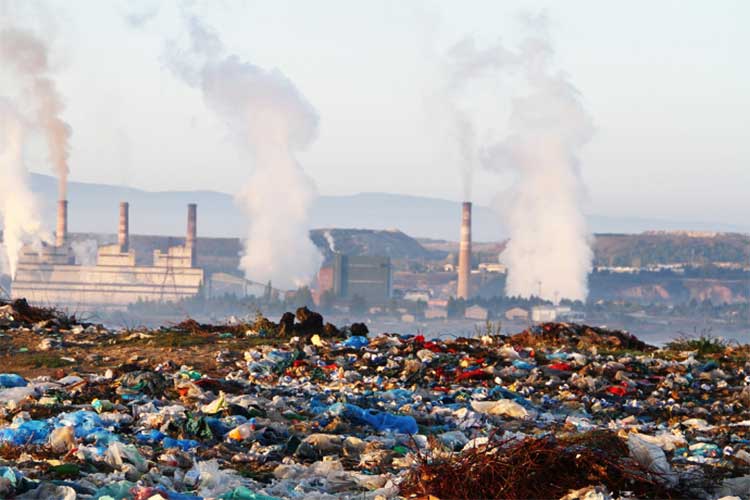
The energy industry is a key area for dust emissions. Dust collector filter bags must withstand high temperatures, high humidity, and corrosive gases, while meeting strict flue gas emission standards.

- Applied in flue gas dust removal systems for coal-fired boilers, filtering fly ash (primarily composed of silica and alumina) produced by coal combustion.
- Dust collector filter bags must be resistant to high temperatures and able to withstand flue gas temperatures of 150-220°C. They must also be able to resist the corrosive effects of SO₂ and NOₓ in the flue gas to ensure low dust emission concentrations.
- Treats light dust generated by the combustion of biomass (straw, wood chips), or mixed flue dust from waste incineration (containing acidic gases and heavy metal particles).
- Dust collector filter bags are required to be acid-resistant and hydrolysis-resistant to prevent media aging caused by high flue gas humidity, while also being able to intercept fine particles (such as dioxin-attached particles).

- Used for underground dust removal in coal mining (e.g., tunneling faces, belt conveyors), dust collection during coal crushing, screening, and conveying, and filtering of pulverized coal particles.
- Dust collector filter bags must be constructed with wear-resistant, antistatic filter media to prevent static sparks caused by pulverized coal accumulation and reduce the risk of explosion.
Metallurgy and Nonferrous Metals Industry
Metallurgical industry dust often contains metal oxides (such as iron oxide and zinc oxide), and is associated with high temperatures and high abrasion. Therefore, filter bags must be resistant to high temperatures, wear, and chemical corrosion.

- Filters blast furnace gas, converter/electric furnace flue gas, and steel mill dust.
- Dust filter bags must be heat-resistant, abrasion-resistant, and have good air permeability.

- Examples include flash furnace flue gas from copper smelting and fluoride dust from aluminum electrolysis.
- Dust collector filter bags must be resistant to acid and fluoride corrosion while also being able to capture fine metal particles.
Chemical and Pharmaceutical Industries
Dust in the chemical industry often contains chemicals (such as resins and pigments) or corrosive substances, and some dust is flammable and explosive. Filter bags must meet corrosion resistance, antistatic properties, and sealing requirements.

- Handles powders (such as resin particles and additive dust) produced in the production of polymer materials such as PVC, polyethylene, and polypropylene.
- Dust collector filter bags must be resistant to organic solvents and aging to prevent solvent corrosion of the filter media.

- Filters pigment dusts such as titanium dioxide, carbon black, and red iron oxide.
- Dust collector filter bags must use low-adsorption filter media to prevent pigment adhesion and clogging.

- Used for filtering drug powder particles during the grinding, mixing, and drying of raw materials (such as antibiotics and vitamins).
- The filter bag must use food grade/pharmaceutical grade filter material to ensure that the filter material is free of fiber shedding and prevent drug powder contamination.

- Rubber dust (containing carbon black and vulcanizing agents) is generated during the vulcanization and crushing process.
- The dust collector filter bag must be oil-resistant, aging-resistant, and anti-static (to prevent static electricity generated by friction with rubber dust and cause explosion).
Building Materials and Non-metallic Minerals Industry
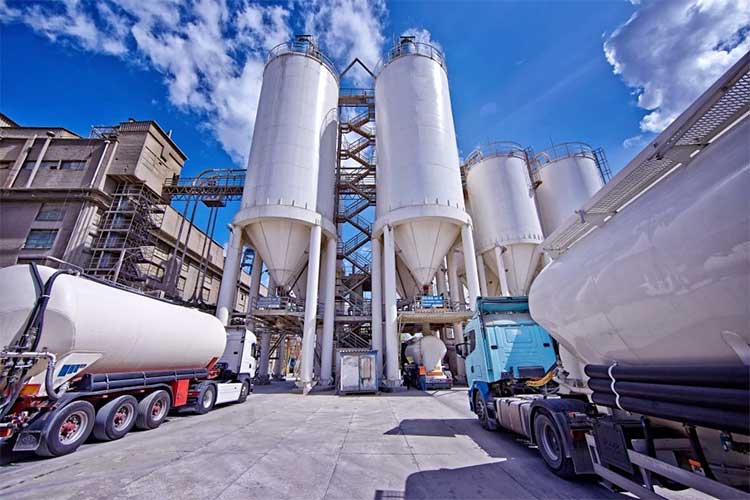
- Raw Material Crushing (Limestone, Clay Dust), Raw Material Grinding, Cement Grinding, and Cement Packaging.
- Dust collector filter bags require wear-resistant filter media to withstand high dust concentrations while ensuring efficient cleaning.

- Crush ceramic raw materials (kaolin, feldspar) and filter glass furnace flue dust, which contains siliceous particles.
- Dust collector filter bags are required to have high wear resistance and high temperature resistance, and also be resistant to corrosion from alkaline substances (such as Na₂O and K₂O) in furnace flue gas.

- Silica dust from quartz sand crushing/screening (long-term inhalation can cause silicosis), and ultrafine dust from talc production.
- The filter bag is required to have high filtration accuracy and be wear-resistant to prevent filter material damage and dust leakage.
Mechanical Processing and Foundry Industry
Dust in the mechanical industry is mostly metal chips (such as cast iron chips and aluminum chips) or oil-containing dust (such as oil mist generated by atomized cutting fluid). Filter bags must be wear-resistant, oil-resistant, and easy to clean.

- Molding sand dust (quartz sand, resin sand) from sand casting, and metal dust from casting cleaning (shot blasting, grinding).
- Dust collector filter bags must be wear-resistant and impact-resistant, and they must also be able to withstand the low temperature humidity after the casting cools down to prevent moisture from clogging the filter media.

- Grinding and polishing dust from automotive parts (engine blocks, gears), or oil-containing dust (a mixture of cutting fluid and metal chips) generated during machine tool cutting.
- The filter bag needs to use oil-resistant and water-resistant filter media (such as PTFE impregnated filter media) to prevent oil adhesion and clogging, and is also easy to clean.
Food and Grain Processing Industry
Dust in the food industry consists of edible particles (such as flour and starch). Filter media must be kept from contaminating food and preventing dust explosions (for example, flour dust is flammable and explosive).

- Flour dust from wheat milling, rice bran dust from rice processing, and starch dust from corn starch production.
- Filter bags must be food grade, odorless, fiber-free, and anti-static (to prevent dust accumulation and explosion)

- Powdered sugar from candy production, flour dust from biscuit baking, and milk powder particles from milk powder drying.
- Filter bags must comply with food contact material standards to ensure that the filtration process does not introduce contaminants and are easy to clean (to prevent residual food dust from breeding bacteria).
Other Scenarios

- Processes such as cutting, grinding, and planing generate large amounts of wood dust. This dust not only affects the workshop environment and harms the health of operators, but also poses a risk of explosion. Filter bags are required to collect this dust.

- Welding fumes (containing iron oxide and manganese dust) generated by industrial welding (such as steel structure welding) require high-efficiency filter media to protect the health of workers.

- Asphalt fumes and mineral dust generated during asphalt heating and mixing require filter bags that are heat-resistant and resistant to asphalt adhesion to prevent asphalt clogging of the filter media.
Note: If you would like to learn more about our application areas, please contact our professional engineers.