
Meta Aramid Felt
A Complete Guide to Meta-Aramid Needle-Punched Felt
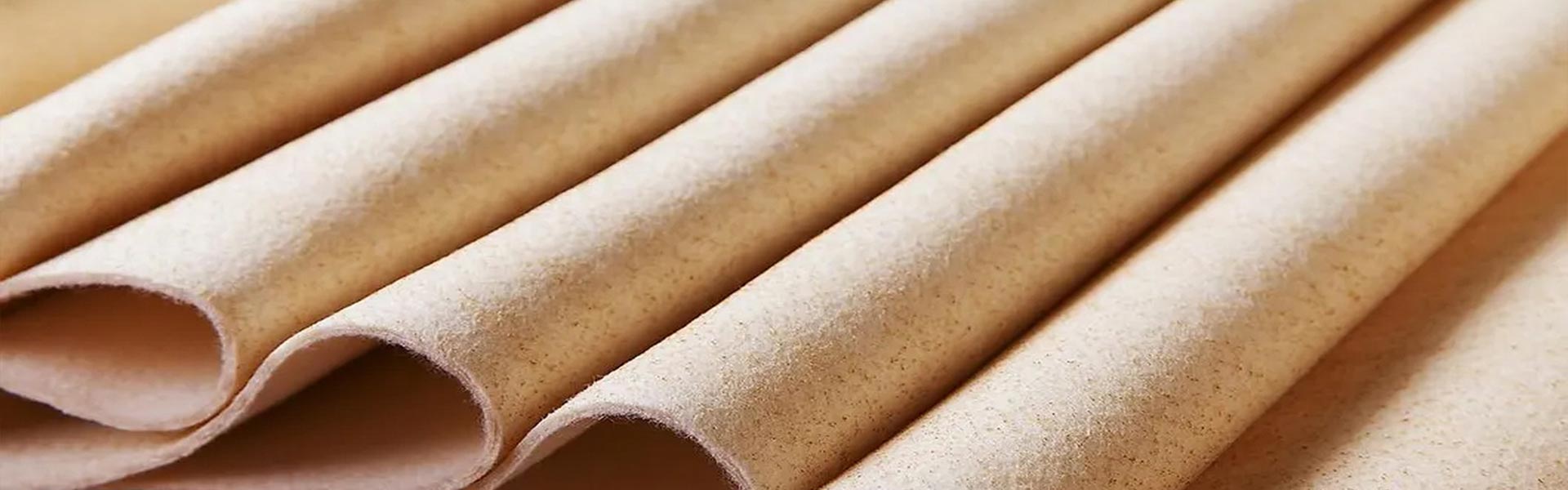
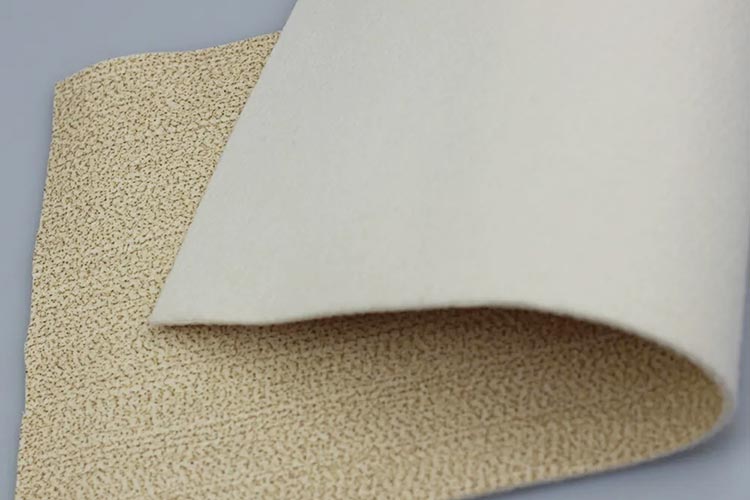
Meta-aramid felt is a non-woven felt-like material made from meta-aramid fibers (such as Nomex) through processes such as needle punching and wet molding. This product is a non-woven material made of 100% meta-aramid fiber, no other added components.

Material Properties
Permanent Flame Resistance
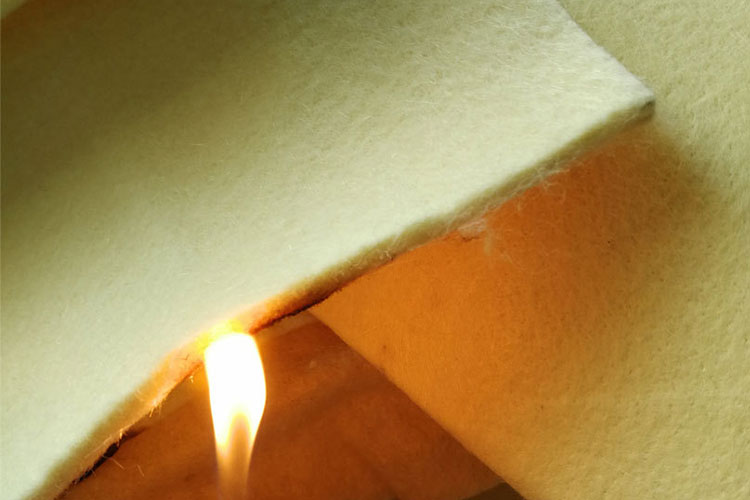
- Limiting Oxygen Index (LOI) ≥ 28. It is flame-retardant in air and self-extinguishes when removed from the ignition source.
- It does not melt or produce dripping when exposed to fire; instead, it directly carbonizes to form a protective thermal insulation layer.
- Its flame resistance is determined by molecular structure and is permanently effective.
High Temperature Resistance & Thermal Stability
- Long-term service temperature: 200–220°C.
- Short-term high-temperature resistance: withstands thermal shock above 300°C; decomposition starts at 400°C.
- Dimensional stability: thermal shrinkage rate at 250°C is only approximately 1%.
Excellent Electrical Insulation
- Maintains outstanding electrical insulation properties at high temperatures.
- High breakdown voltage, widely used for insulation in motors and electrical appliances.
Chemical & Weather Resistance
- Resistant to most weak acids, weak alkalis and oils, but not to strong acids or strong alkalis.
- Aging-resistant, radiation-resistant, and features a long service life.
Good Mechanical Properties
- High strength, good flexibility and abrasion resistance.
- Can be sewn and die-cut, easy to process and shape.
Physical and Chemical Properties
| Item | English Description |
|---|---|
| Appearance | White or natural color needle-punched felt solid, uniform texture, no agglomeration, no peculiar smell |
| Odor | No obvious odor |
| PH Value | 7.0-7.5 (aqueous dispersion, neutral) |
| Relative Density (water=1) | 1.38-1.41 |
| Solubility | Insoluble in water, ethanol, acetone and other common solvents; resistant to most strong acids and alkalis |
| Flash Point (℃) | None (non-flammable) |
| Auto-ignition Temperature (℃) | None (non-flammable) |
| Melting Point (℃) | None (carbonizes above 400℃ without melting) |
| Decomposition Temperature (℃) | ≥400℃ (starts to carbonize) |
| Flammability | Non-flammable, self-extinguishing |
| Limiting Oxygen Index (LOI) | ≥28% |
| Tensile Strength | ≥300N/5cm (warp/weft direction) |
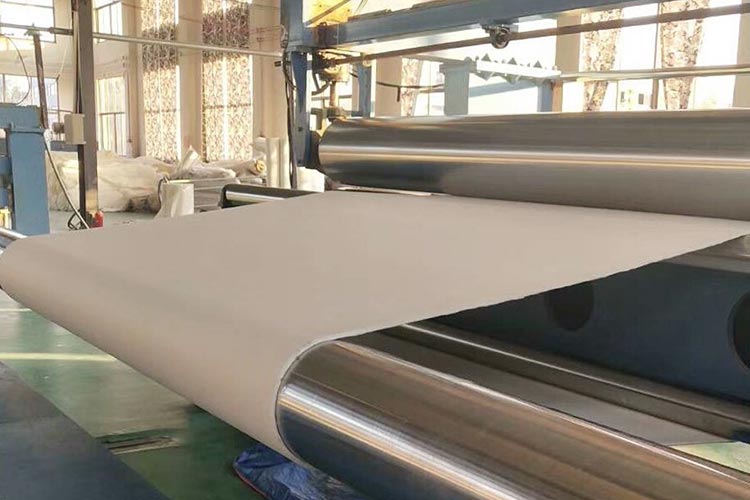
Aramid Needle Felt Production Process
- Raw Material Preparation
- Opening
- Blending
- Carding
- Lapping
- Needle Punching (Core Process)
- Scrim Reinforcement
- Heat Setting
- Surface Finishing
- Fabrication
Main Application Fields
Safety Protection
- Firefighting / industrial protective clothing: fire suits, thermal insulation linings for metallurgy / electric welding.
- Fire blankets, fire curtains: for welding, petrochemical industry and emergency fire suppression.
High-Temperature Flue Gas Filtration
- High-temperature dust removal filter bags for iron and steel, cement, carbon black, chemical industry, etc.
- Operating temperature: 180–200°C, resistant to acid and alkali corrosion with high filtration efficiency.
Industrial Thermal Insulation
- Thermal insulation gaskets for pipelines, kilns and reaction kettles.
- Furnace door sealing, equipment heat insulation and thermal processing protection.
Electrical Insulation
- Motor slot insulation, phase-to-phase insulation and transformer insulation.
- Heat-resistant insulation components for electrical appliances, electronics and new energy batteries.
Others
- Automotive: high-temperature resistant gaskets, sound insulation and thermal insulation components.
- Aerospace and rail transit: flame-retardant, heat-insulating and lightweight materials.
Hazards Identification
- Physical Hazard
Non-flammable, no explosion risk, no oxidizing property, no corrosiveness; only carbonizes without melting at high temperature.
- Health Hazard
Inhalation of short fibers or dust may cause mild respiratory irritation and cough; long-term skin contact may cause dryness and itching; dust entering eyes can cause redness and stinging.
- Environmental Hazard
Basically harmless to aquatic organisms; difficult to degrade in natural environment but no ecotoxicity.
First Aid Measures
- Inhalation
Immediately move to fresh air with good ventilation, keep respiratory tract unobstructed; if persistent cough, chest tightness and other discomfort occur, seek medical attention in time.
- Skin Contact
Rinse the contact area with plenty of running water for 5-10 minutes, take off contaminated clothes; if itching or redness occurs, apply soothing lotion, seek medical attention if necessary.
- Eye Contact
Immediately rinse eyes with plenty of running water or normal saline for at least 15 minutes, continuously rotate the eyes during the period, avoid rubbing; if discomfort persists after rinsing, seek medical attention immediately.
- Ingestion
Rinse mouth, drink plenty of warm water to dilute; strictly prohibit vomiting to avoid fiber damage to the digestive tract; if nausea, abdominal pain and other discomfort occur, seek medical attention in time.
Fire Fighting Measures
- Hazard Characteristics
This product has inherent flame retardancy (LOI≥28), non-flammable and non-combustible; carbonizes at high temperature (above 400℃) without melting and dripping, and does not produce toxic and harmful gases when burned.
- Suitable Extinguishing Media
Water spray, dry powder, carbon dioxide, foam (mainly used to extinguish surrounding flammables).
- Unsuitable Extinguishing Media
No special unsuitable extinguishing media.
- Firefighter Protection
Wear dust mask when extinguishing fire to avoid inhaling carbonized dust; no special protective equipment needed.
- Hazardous Combustion Products
Carbon dioxide, water, a small amount of nitrogen oxides and carbonized particles.
Accidental Release Measures
- Personal Protection
Wear dust mask, protective gloves and goggles to avoid direct contact with scattered fibers or dust.
- Environmental Protection
Evacuate irrelevant personnel to prevent fiber dust from spreading to the ventilation system; avoid fibers entering sewers or water bodies.
- Cleaning Method
Collect scattered fibers and dust with a vacuum cleaner or wet broom, put into sealed plastic bags or containers, and dispose of as general industrial solid waste.
- Environmental Protection
Strictly prohibit direct discharge of scattered fibers into the environment to prevent slight air pollution.
Handling and Storage
- Handling
Closed operation, keep the workplace well-ventilated; wear protective equipment during cutting to avoid generating a lot of dust; avoid friction with sharp objects to generate static electricity.
- Storage
Store in a special dry, ventilated and cool warehouse, away from high temperature and humid environments, with temperature controlled at 15-30℃ and relative humidity ≤65%.
- Storage Taboos
Strictly prohibit mixed storage with strong oxidants, strong acids and strong alkalis; avoid direct sunlight and rain; the package must be sealed well to prevent moisture absorption from affecting.
- Post-operation Treatment
Clean up dust in the operation site, wash hands and contact parts; properly store the remaining products and seal the package mouth.
Exposure Controls, Personal Protection
- Engineering Controls
Install local exhaust devices and dust collection equipment in the workplace, regularly detect dust concentration; adopt wet operation to reduce dust flying.
- Respiratory Protection
Wear dust mask for normal operation; wear self-priming filter respirator in high-concentration dust environment or cutting operation.
- Eye Protection
Wear chemical safety goggles or protective glasses to prevent dust from entering eyes.
- Hand Protection
Wear nitrile or rubber protective gloves to avoid direct skin contact with fibers and dust.
- Body Protection
Wear anti-static work clothes and work caps to avoid static electricity generated by fibers adhering to clothes.
- Sanitary Measures
No eating, smoking or drinking in the workplace; wash hands and face in time after operation, change work clothes; regularly clean, inspect and replace protective equipment.
Stability and Reactivity
- Stability
Stable under normal temperature and pressure, aging-resistant and radiation-resistant, not easy to deteriorate during long-term storage.
- Hazardous Reactions
No violent hazardous reactions; contact with strong oxidants at high temperature may accelerate carbonization.
Conditions to Avoid: High temperature (above 400℃), strong oxidants, long-term contact with strong acids and alkalis.
- Incompatible Materials
Strong oxidants (such as potassium permanganate, hydrogen peroxide), concentrated nitric acid, concentrated sulfuric acid, etc.
- Hazardous Decomposition Products
High-temperature decomposition produces a small amount of carbon dioxide, nitrogen oxides and carbonized particles, no highly toxic products.
Toxicological Information
- Acute Toxicity
Practically non-toxic, oral LD₅₀ in rats >5000mg/kg; no relevant hazard data for dermal toxicity.
- Skin Irritation
Mild irritation; long-term contact may cause skin dryness and desquamation, non-corrosive.
- Eye Irritation
Moderate irritation; dust entering eyes can cause conjunctival hyperemia and stinging, which can be relieved after flushing.
- Inhalation Hazard
Inhalation of low-concentration dust has no obvious hazard; long-term inhalation of high-concentration dust may cause respiratory discomfort, no fibrosis risk.
- Sensitization
No clear sensitization; a small number of people with allergic constitution may have mild skin allergic reactions.
- Carcinogenicity/Mutagenicity/Reproductive Toxicity
No relevant data; no authoritative organization has classified it as a carcinogen or mutagen, no reproductive toxicity.
Ecological Information
- Ecotoxicity
No acute toxicity to aquatic organisms such as fish and algae, LC₅₀ (fish, 96h) >100mg/L.
- Biodegradability
Difficult to biodegrade, can exist in the natural environment for a long time, no obvious ecological accumulation effect.
- Bioaccumulation
None, no bioaccumulation in animals and plants
- Environmental Hazard
No obvious environmental hazard; can be naturally carbonized after disposal, will not pollute soil and water bodies.
Disposal Considerations
- Waste Category
General industrial solid waste.
- Disposal Method
Collect waste products and leftover materials, and hand them over to qualified industrial solid waste disposal units for landfill or incineration; recyclable leftover materials can be used for low-grade industrial purposes after processing.
- Prohibition
Do not discard or dump at will; do not mix and store or transport with hazardous waste; prevent secondary pollution during incineration.
- Environmental Protection
Prevent fiber dust from flying during disposal to avoid air pollution; landfill disposal must comply with local environmental protection regulations.
Transport Information
| IATA | IMDG | |
|---|---|---|
| UN Number | None (Non-dangerous goods) | None (Non-dangerous goods) |
| UN Proper shipping name | None | None |
| Transport hazard class(es) | None | None |
| Packing group | None | None |
| Marine pollutant | – | No |
Note: IATA: International Air Transport Association; IMDG: International Maritime Dangerous Goods.
- Transport Requirements
Packed with moisture-proof plastic film + woven bags or cartons, each package weight determined according to transportation needs (conventional 10-50kg); handle with care to avoid package damage, extrusion and moisture; keep away from high temperature, open flames and strong oxidants during transportation, prevent rain and direct sunlight; comply with relevant domestic regulations for general cargo transportation by road, railway and sea.
- Compliance
Comply with the Regulations on the Administration of Road Transportation of Dangerous Goods and the International Maritime Dangerous Goods Code (IMDG) requirements for general cargo transportation
Regulatory Information
- Chinese Regulations
Comply with the Regulations on the Safe Administration of Hazardous Chemicals, the Law on the Prevention and Control of Environmental Pollution by Solid Waste, and the Law on Prevention and Control of Occupational Diseases; not a hazardous chemical, managed as a general industrial product.
- International Regulations
Comply with relevant requirements of UN GHS, TDG and IMDG; no need to declare as dangerous goods for export; meet Oeko-Tex Standard 100 Product Class 1 for baby articles.
- Applicable Standard
Relevant industry standards for meta-aramid fibers and products, safety standards for industrial non-woven fabrics.
- Label Requirements
Must mark product name, specification, manufacturer information, use and warning (avoid inhaling dust); no need to affix GHS hazard label.