

Customized Industrial Filter Fabric
Tailored Filtration, Unmatched Efficiency
Industrial filter fabrics are widely used in dust filtration, liquid filtration, and air filtration applications, and are indispensable key materials in modern environmental protection projects, industrial production, and process control systems. Their performance directly affects filtration efficiency, energy consumption, and the long-term operational stability of filtration systems.
Application Industries

Dust Filtration
- Cement, steel, metallurgy, chemical industry, asphalt mixing plants, and dust collection systems in the power generation industry.
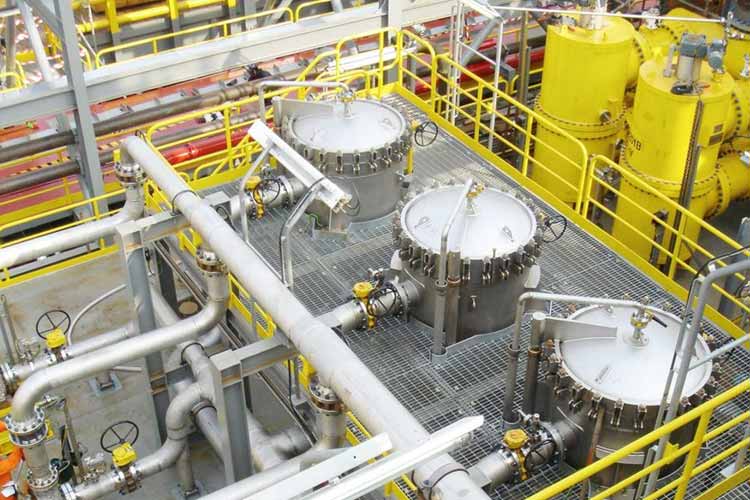
Liquid Filtration
- Chemical liquid filtration, food and beverage processing, pharmaceutical industry, and wastewater treatment.
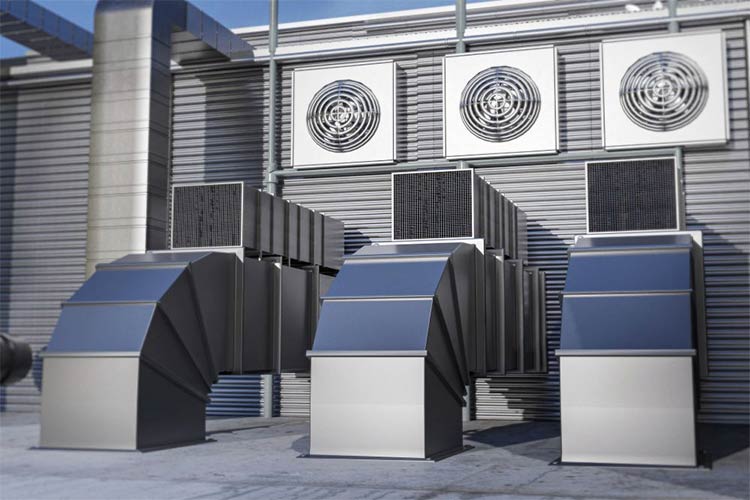
Air Filtration
- Industrial ventilation, HVAC systems, cleanrooms, and environmental protection projects.
Common Filter Fiber Materials and Their Characteristics
Through the scientific and proper selection of fiber materials, fabric structures, and specialized finishing treatments, industrial filter fabrics can achieve an optimal balance among filtration accuracy, air permeability, temperature and chemical resistance, mechanical strength, and service life, thereby meeting the comprehensive requirements of efficient filtration, stable operation, and cost optimization under different operating conditions.
| Fiber Type | Key Characteristics | Typical Applications |
|---|---|---|
| Polyester (PET) | High cost-performance ratio, good abrasion resistance, excellent dimensional stability | Ambient-temperature dust filtration, air filtration |
| Polypropylene (PP) | Excellent acid and alkali resistance, low density, non-hygroscopic | Chemical liquid filtration, wet filtration |
| Polyamide (PA / Nylon) | High mechanical strength, excellent wear resistance | Filtration under high mechanical load |
| PPS | Excellent high-temperature resistance, outstanding chemical resistance | Coal-fired power plants, waste incineration |
| PTFE (Teflon) | Exceptional high-temperature and chemical resistance, non-stick surface | High-end dust collection, highly corrosive operating conditions |
| Nomex® (Aramid) | Good heat resistance, flame retardant | Asphalt plants, steel industry |
| P84® | High specific surface area, very high filtration efficiency | Ultra-fine dust filtration |
| Fiberglass | Excellent high-temperature resistance, good dimensional stability | High-temperature flue gas filtration |
| Basalt Fiber | High-temperature resistance, excellent chemical stability | High-temperature environmental filtration |
Selection of Filter Fabric Type
Woven or Nonwoven?

Nonwoven Filter Fabric
Nonwoven fabric is a fibrous network material that does not require spinning or weaving. It is formed into a stable three-dimensional structure by mechanically needle-punching, thermal bonding, chemical bonding, or hydroentangling the fibers. Nonwoven fabrics are widely used in industrial dust collection, liquid filtration, and air filtration.
Among them, needle-punched felt features a unique fiber structure that allows the fabric to efficiently capture fine particles while maintaining low pressure drop and excellent cleaning performance after cake formation, thereby extending service life and improving overall filtration system efficiency. Needle-punched felt can be further enhanced through various post-treatments—such as PTFE coating, anti-static treatment, water and oil repellency, singeing, or calendering—to improve performance and broaden its range of applications.

Woven Filter Fabric
Woven filter fabric is a type of industrial filtration material made by weaving spun yarns. It is characterized by a regular fiber arrangement and precisely controllable pore size, allowing it to maintain stable filtration performance in high-intensity, long-term industrial operations. Compared to nonwoven fabrics, woven filter cloth offers significant advantages in dimensional stability, consistent filtration precision, and resistance to mechanical stress, making it widely used in both liquid and gas filtration systems.
Tailored Filtration Solutions
Professionalism, Experience and Strength
Filmedia® is dedicated to providing global industrial customers with high-performance, long-service-life, and reliable filter fabric solutions. Leveraging extensive industry experience and a comprehensive material portfolio, we offer one-stop filtration solutions tailored to different applications—covering material selection, structural design, and specialized finishing processes—to help customers achieve higher filtration efficiency and lower operating costs.
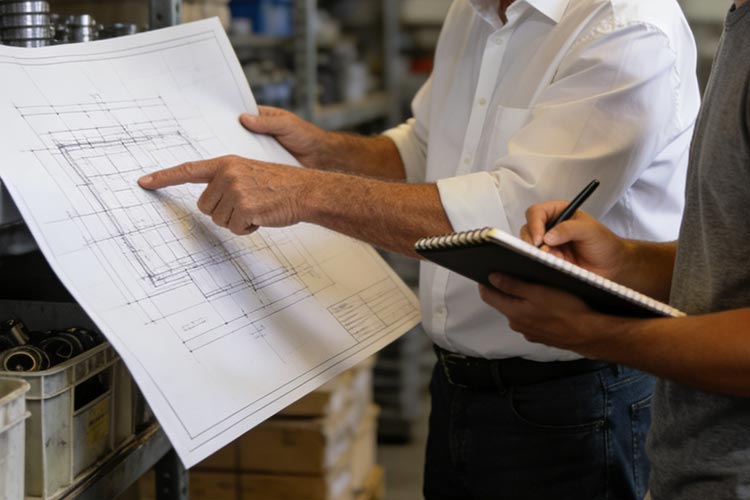
Project Analysis
Before customization, we conduct an in-depth analysis of the client’s filtration requirements.
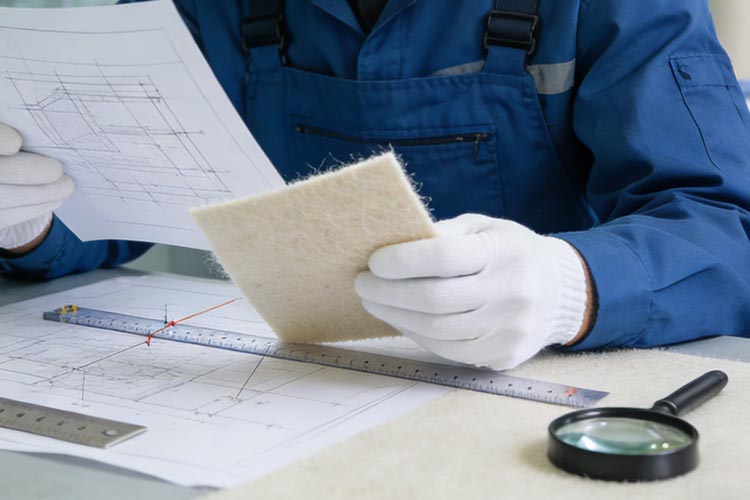
Material Selection
Materials are carefully chosen to meet operational requirements and achieve optimal filtration efficiency and durability.
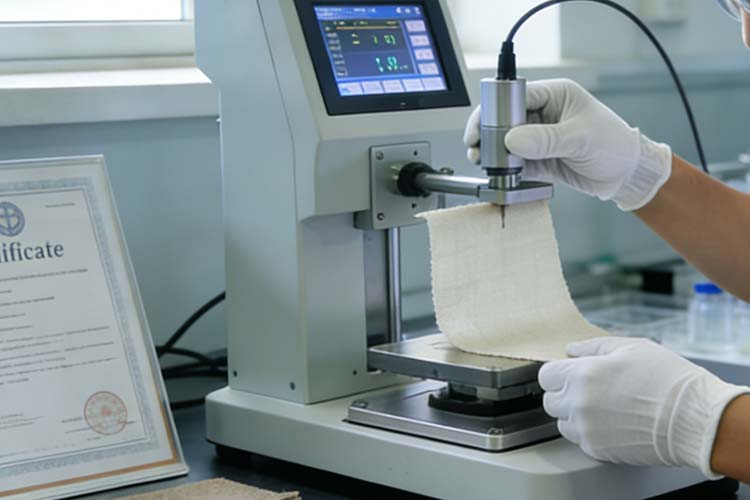
Structural Design
Filter fabric structure is designed according to the filtration target and equipment type.
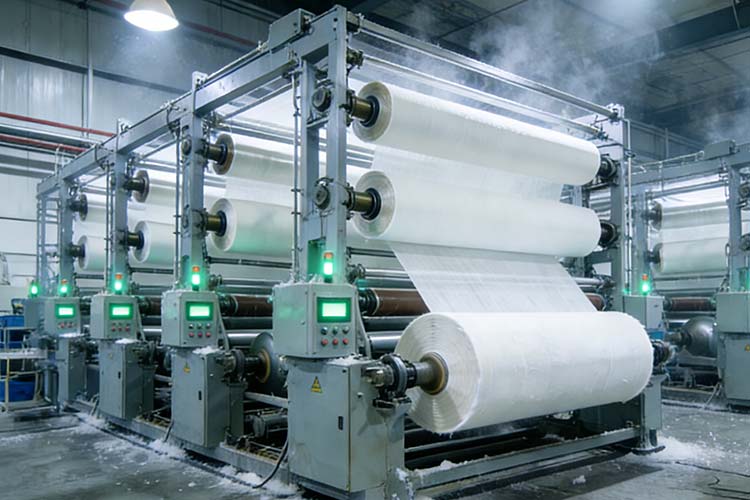
Professional Processing Technology
Advanced processing and post-treatment techniques enhance performance and expand applicability.